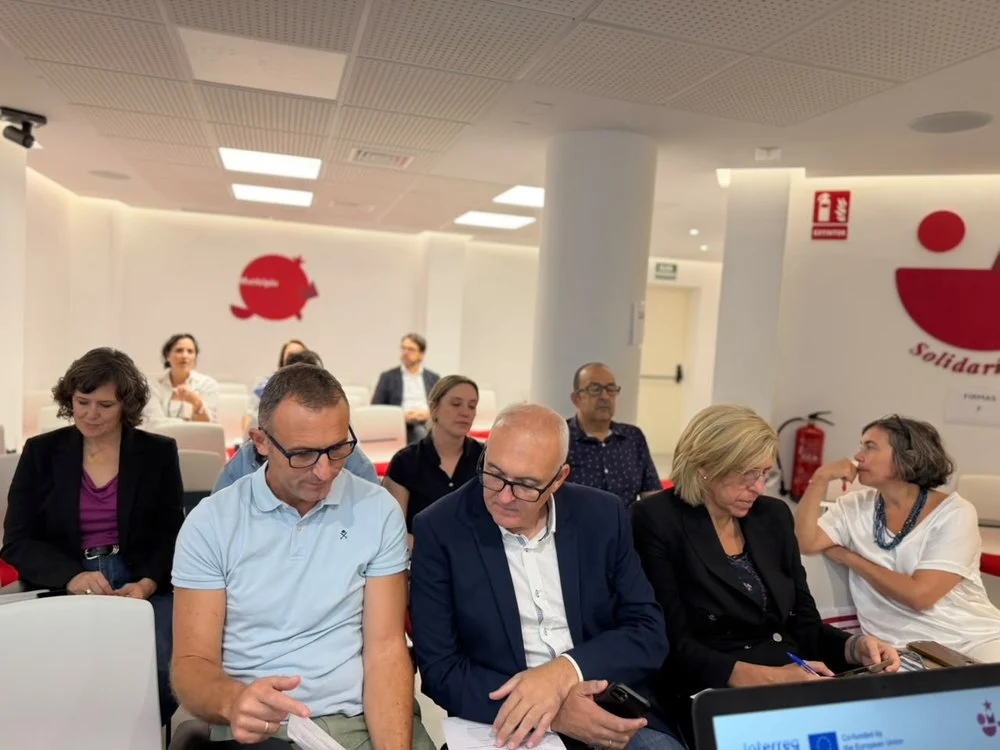
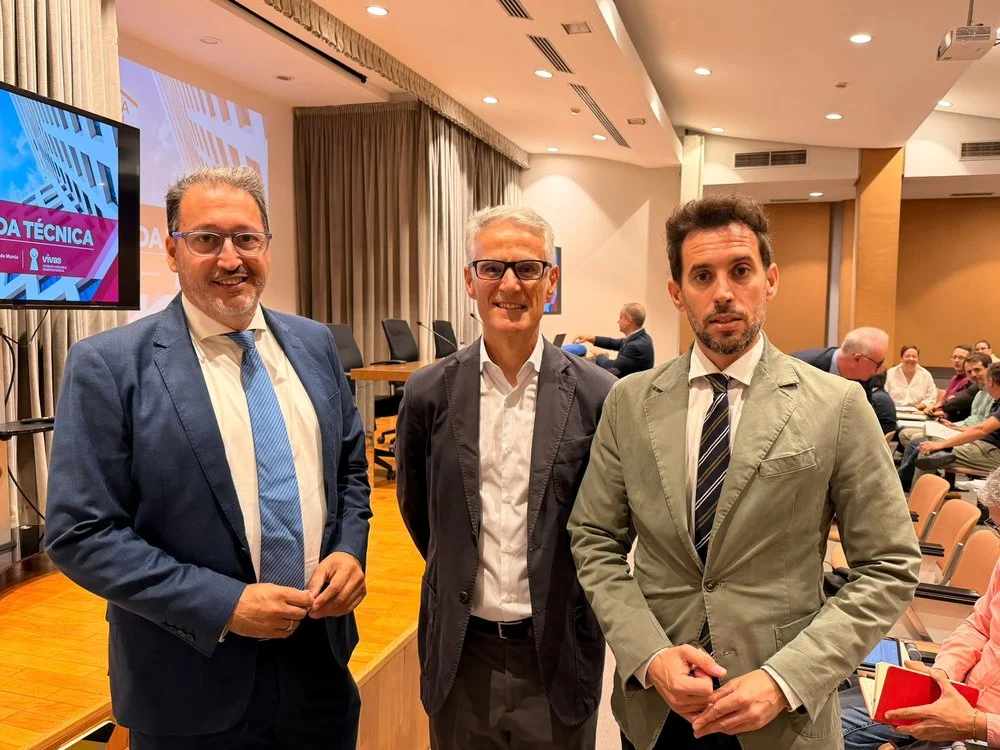
The Federation of Municipalities of the Region of Murcia (FMRM) has participated in Naples in a European meeting of the MED-Hubs project, of which it is a partner, to advance the implementation of new marine technologies and generate economic development opportunities in five ports of the Region of Murcia.

Mazarrón, Águilas, Los Alcázares, Cabo de Palos and San Pedro del Pinatar are the locations selected to develop actions related to innovation and sustainability.
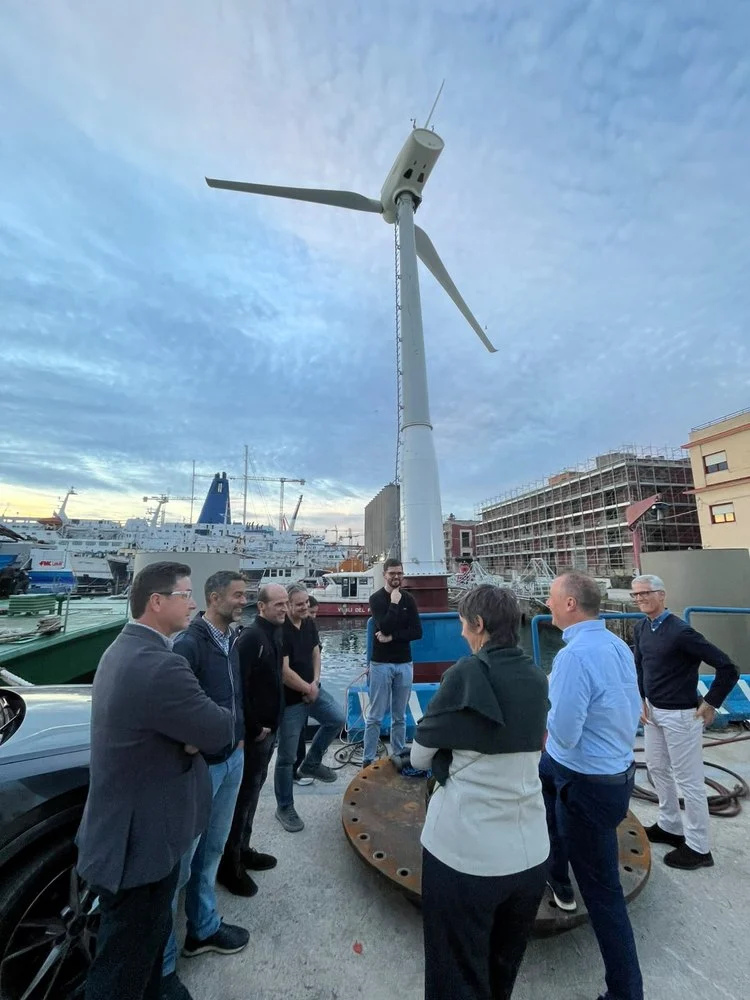
The FMRM delegation included Antonio Moreno García, the Federation's Secretary General, and Miguel Borredat, a European projects technician specializing in marine biology and coordinator of MED-Hubs within the organization . Pedro José Sánchez, Councilor for Ecological Transition of the Los Alcázares City Council, was also invited to participate.

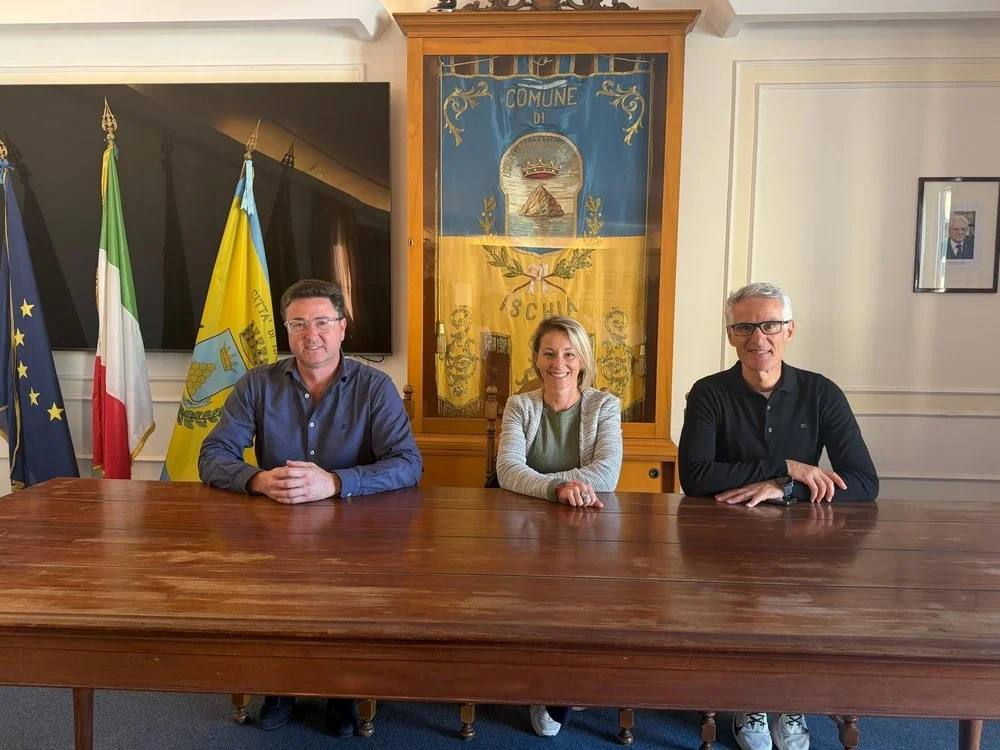
The visit, held on October 28 and 29 in Naples and the island of Ischia, allowed for the exchange of experiences on marine technologies, sustainable fishing, renewable energies and the participation of coastal communities.

Naples: European experiences in sustainable fishing and marine innovation

During the meeting, the Murcia delegation learned about the Italian model of innovation in sustainable fishing developed through the ALFA Hub experimental center , which incorporates artificial intelligence and digital tools for species recognition, catch recording and fishery traceability.

The visit also provided an opportunity to learn about the Fabbrica Italiana dell'Innovazione ecosystem , focused on entrepreneurship and collaboration between companies, researchers and institutions, as well as experiences related to marine biodiversity and the sustainability of coastal ecosystems.

Five ports in Murcia to develop new blue economy opportunities

Mazarrón, Águilas, Los Alcázares, Cabo de Palos and San Pedro del Pinatar are the selected locations to develop actions that allow emerging companies, researchers and entrepreneurs to test technological solutions linked to the sea.

MED-Hubs aims to leverage the potential of these ports as innovation hubs, fostering new economic activities and a more sustainable development of the coastal environment.

The FMRM connects European innovation with municipalities and their citizens

The Federation of Municipalities acts as a link between city councils, research centers, companies and administrations, facilitating the incorporation of solutions developed in MED-Hubs into municipal strategies.

Their participation focuses especially on the training of municipal technicians, the involvement of coastal communities and the dissemination of the project's results among the 45 municipalities of the Region , so that the opportunities of the blue economy reach the territory.

Next steps: technological trials, municipal training and citizen participation

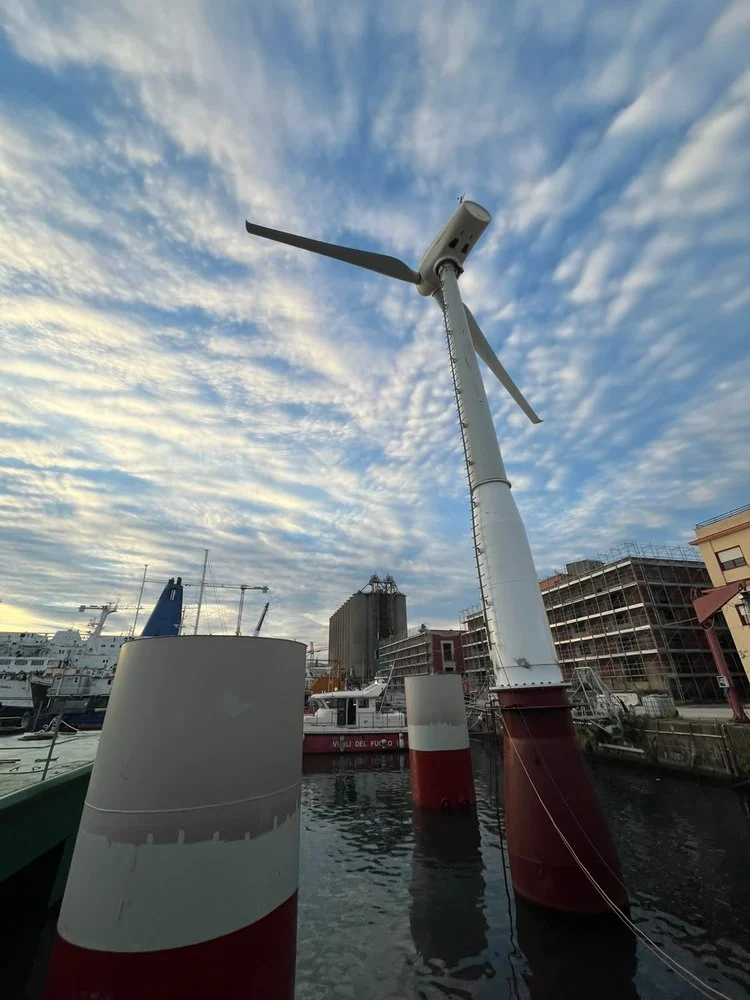
The next actions in the Region of Murcia include the launch of the experimentation platform , where startups will be able to test and validate technological solutions mainly related to marine renewable energies and their port applications.

For its part, the FMRM will organize specialized training for municipal technicians and participatory workshops in the five selected ports , with the aim of involving local councils, citizens and local economic sectors.

In addition, the General Directorate of Coastline and Ports of the Autonomous Community will hold an information day to present the project and its development opportunities in the Region.

A European project to transform innovation into local opportunities

MED-Hubs , coordinated by the Polytechnic University of Cartagena (UPCT) , is funded by the European Union through the European Maritime, Fisheries and Aquaculture Fund (EMFAF).

The project connects two innovation centers in Spain and Italy, specializing respectively in marine renewable energy and sustainable fishing, to facilitate the testing of new technologies under real-world conditions and advance towards their commercial application.

The FMRM's participation aims to ensure that these advances translate into new economic opportunities, more sustainable ports, and greater involvement of municipalities in the development of the blue economy.
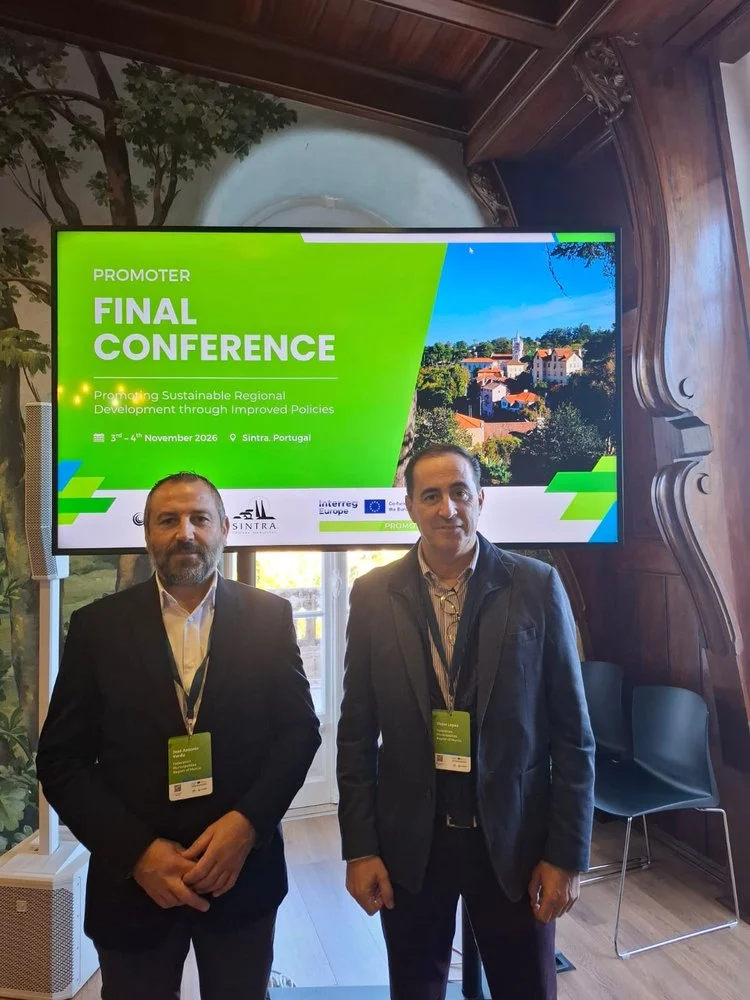
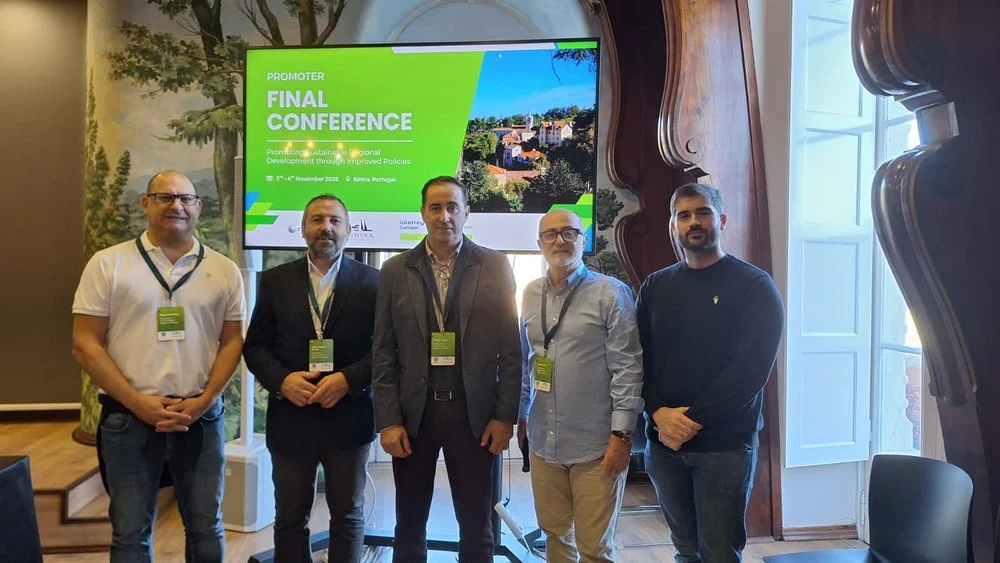
At the final conference of the European PROMOTER project, held in Portugal, the FMRM presented the progress made in improving sustainable mobility policies and strengthening cooperation between administrations.

The president of the Federation of Municipalities, Víctor Manuel López Abenza, and the general director of Mobility and Transport of the CARM, José Antonio Verdú, are participating in this international meeting that highlights the creation of a joint commission to move towards a more efficient, sustainable public transport adapted to the needs of the municipalities.

The Federation of Municipalities of the Region of Murcia (FMRM) is participating on November 3 and 4 in the final conference of the European project Interreg Europe PROMOTER , which is being held in Sintra (Portugal), where it is presenting one of the main results achieved during the development of the project: the incorporation of a stable model of cooperation between the regional government and the municipalities to improve the planning of mobility and public transport in the Region of Murcia.

The Murcian delegation includes the participation of the president of the FMRM, Víctor Manuel López Abenza , and the general director of Mobility and Transport of the Autonomous Community, José Antonio Verdú , who are accompanying the presentation of this experience to the European partners.

The meeting provides an opportunity to show how the exchange of European best practices has translated into a concrete improvement in regional transport policy, through the creation of new mechanisms for institutional coordination and municipal participation.

From European best practices to regional public policies

One of PROMOTER's main achievements in the Region of Murcia has been the signing, in May 2025, of a collaboration protocol between the Autonomous Community and the Federation of Municipalities, which has made it possible to establish the Interinstitutional Commission for Sustainable Mobility and Energy (CIMES).

This body, with equal representation from both institutions, serves as a coordination tool to incorporate municipal needs into the development of the Passenger Transport Master Plan for the Region of Murcia.

The initiative allows progress towards more integrated transport planning, strengthening collaboration between administrations and promoting strategic issues such as the electrification of public transport, multimodal mobility, the integration of services, citizen participation and the use of renewable energies.

The creation and implementation of CIMES thus represents one of the most relevant results of the project, by transforming the knowledge acquired in Europe into an institutional instrument with continuity beyond PROMOTER.

Víctor Manuel López Abenza, president of the Federation of Municipalities of the Region of Murcia, explains that, “ throughout PROMOTER, the FMRM has worked alongside the Directorate General of Mobility and Transport and other regional stakeholders in identifying and transferring European experiences that can contribute to improving mobility in the region's municipalities.” And, as the mayor of Ulea also affirms, “this work has allowed us to incorporate new perspectives into the development of the Transport Master Plan and open avenues for collaboration for future planning instruments, such as the Murcia Metropolitan Plan.”

A more sustainable mobility strategy that is closer to the citizens

Among the examples of practical application, the municipality of Lorquí stands out , which has worked on adapting a good practice from Ostend (Belgium), focused on creating safer school environments, reducing traffic speed and improving pedestrian spaces.

Murcia strengthens its position to face the new European mobility challenges

The Region of Murcia presents a result that goes beyond the transfer of knowledge: a governance model that connects the needs of the municipalities with regional strategic decisions and establishes a framework for collaboration with continuity until 2032.

Among the upcoming challenges are the development of metropolitan planning, the coordination of municipal sustainable mobility plans, the promotion of decarbonized public transport, and the identification of new European funding opportunities.

The FMRM, a bridge between Europe, the regional government and the municipalities

As a partner in the PROMOTER project, the Federation of Municipalities has played a role as an intermediary between European institutions, the regional government and the 45 municipalities of the Region of Murcia.

Their participation has made it possible to translate the needs of the local area into European cooperation spaces and to promote the application of solutions adapted to the characteristics of the territory.

Has your local council been dealing with the same problem for years?

Perhaps the solution doesn't exist yet... and you can help create it.

On November 17th we'll tell you how to do it with Public Procurement of Innovation.

🗓️ Program | #Active Day CPI Local Murcia
📅 November 17 · 📍 CES Region of Murcia

🕘 09:00 Registration and reception
🎤 09:15 Opening, by INFO and the Federation of Municipalities of the Region of Murcia
💡 09:30 Masterclass: The transformative power of open public innovation at the local levelwith Sandra Sinde, international expert in CPI
🙋 10:15 Interactive activity: What decisions will we make today to create the future?
✅ 10:30 Panel discussion on real-world experiences, with Fermín Cerezo (Valencia City Council) and Ylenia Díaz (Riba-roja de Túria City Council)
☕ 11:15 Coffee break and networking
🛠️ 11:45 Participatory practical workshop Local CPI Missionwith Sandra Sinde
👋 14:00 PM Closing

👉 Registration: https://forms.gle/b71MNyZiZ9Qk7wLF8

The FMRM and the Molina de Segura City Council exchange European best practices on dependency care, financing and new care models.

The Region of Murcia will host the next international meeting of the CAPABLE project, focused on innovation and new technologies, in March 2027.

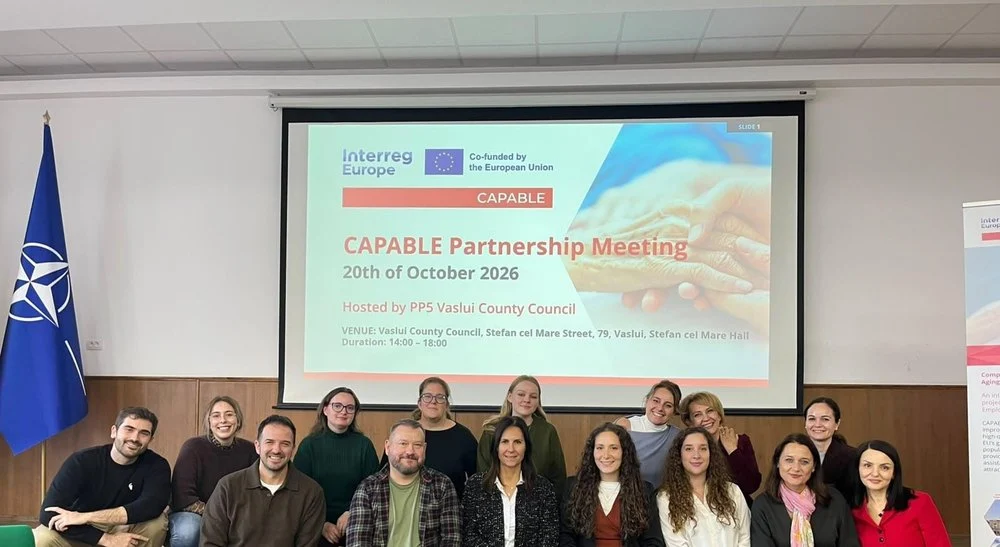
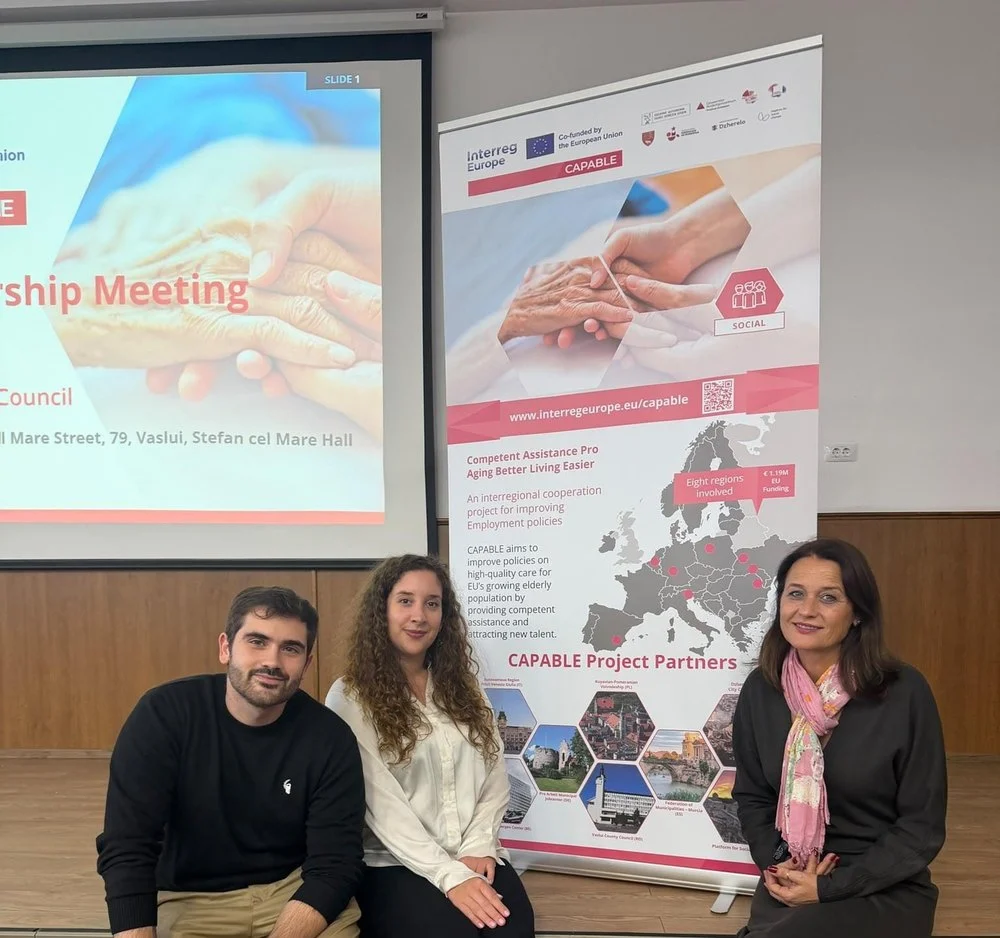
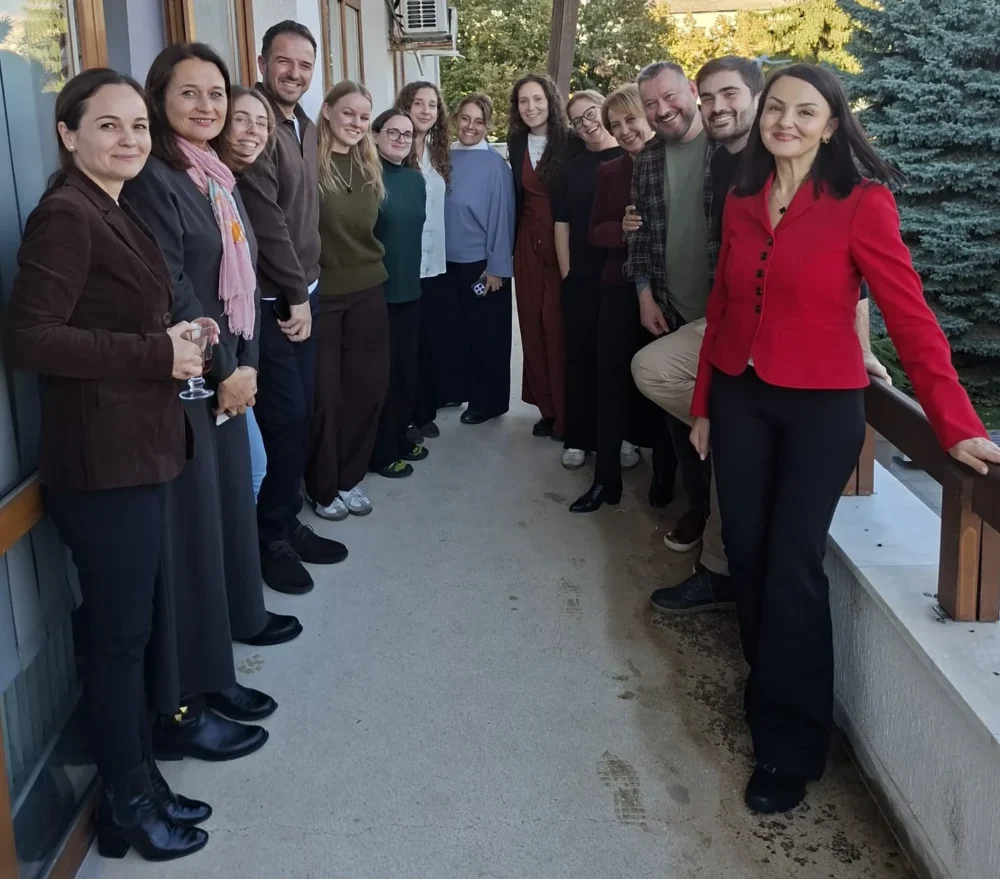
 The Federation of Municipalities of the Region of Murcia (FMRM) participated, from October 20 to 22, in the third international meeting of the European project CAPABLE, held in Vaslui (Romania), within the framework of the Interreg Europe program, co-financed by the European Union.

The Murcia delegation consisted of Leo Lizón, FMRM project technician, and Rocío Cózar, councilor for Social Welfare and Housing of the Molina de Segura City Council.

During the meeting, the main challenges of care systems in the face of an aging population were addressed, especially their economic sustainability, the availability of professionals and the need to guarantee dignified, accessible and quality care.

Exchange of European good practices

The sessions provided an opportunity to learn about experiences from different European countries, such as the Italian system of hiring and labor protection for professionals in the sector, the German model of care for dependent persons, and the transformation of a social center in Poland into an integrated space of services for the elderly.

Participants also visited day centers, residences, shared housing and other care resources in the Vaslui region, with different models of public, private and mixed management and funding.

The meeting allowed for a review of the project's progress and the closing of a stage focused on care models and the sustainability of care systems, giving way to a new phase dedicated to technological innovation.

Molina de Segura shares innovation experiences

During the meeting, Councillor Rocío Cózar emphasized that innovation in care does not only consist of incorporating new technologies, but also of making different use of existing tools.

In this regard, she shared experiences such as the Maximiliana telephone and Casal TV, initiatives aimed at facilitating communication, promoting participation and improving the autonomy of older people, especially those with reduced mobility or who live in isolated areas.

The Region of Murcia will host the next CAPABLE international meeting during the first week of March 2027 , which will address the use of artificial intelligence, new technologies and other innovative solutions to improve care for the elderly.

With its participation in this project, the FMRM reaffirms its commitment to European cooperation and the improvement of municipal public policies, promoting more sustainable, inclusive care systems adapted to the needs of citizens.

About CAPABLE

CAPABLE is a project of the Interreg Europe program, co-financed by the European Union, which promotes the exchange of good practices to improve public policies related to the care sector and address the social and demographic challenges of population aging.

The FMRM presents this European initiative at the Social Economy and Rural Entrepreneurship Fair of the Region of Murcia, aimed at improving the qualifications of professionals in the care of elderly people and promoting new job opportunities in the municipalities.

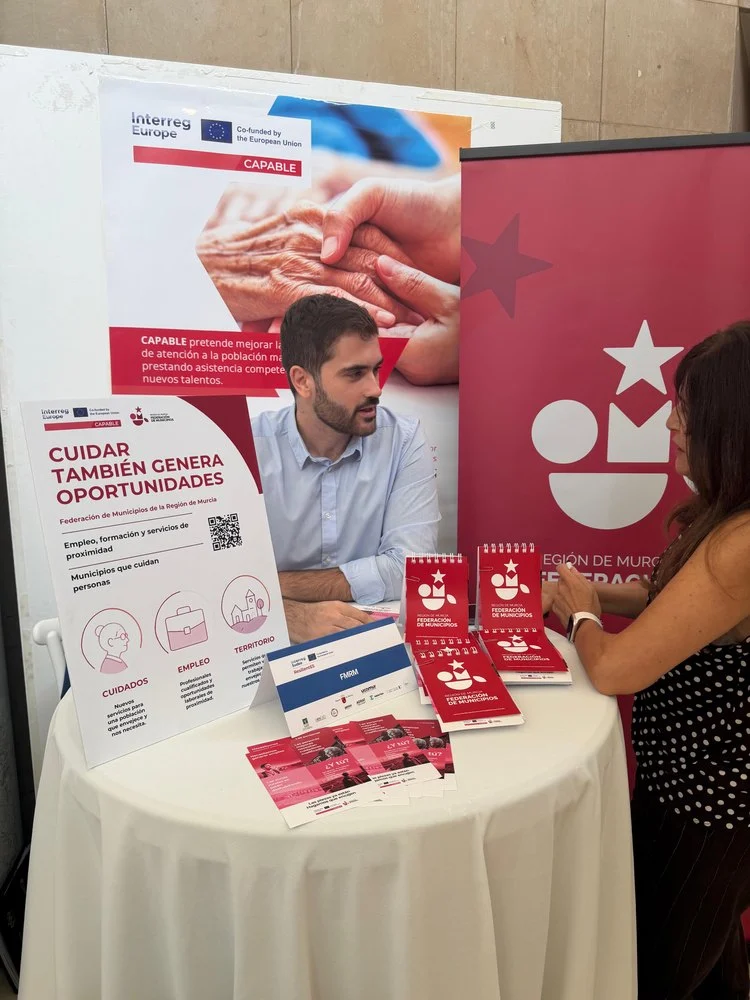
The Federation of Municipalities of the Region of Murcia (FMRM) participated in the first Social Economy and Rural Entrepreneurship Fair of the Region of Murcia, held on September 30th at the Víctor Villegas Auditorium and Congress Center, where it presented the European project Interreg Europe CAPABLE , an initiative that seeks to improve the conditions of the care and attention sector for the elderly through the exchange of experiences and good practices between European regions.

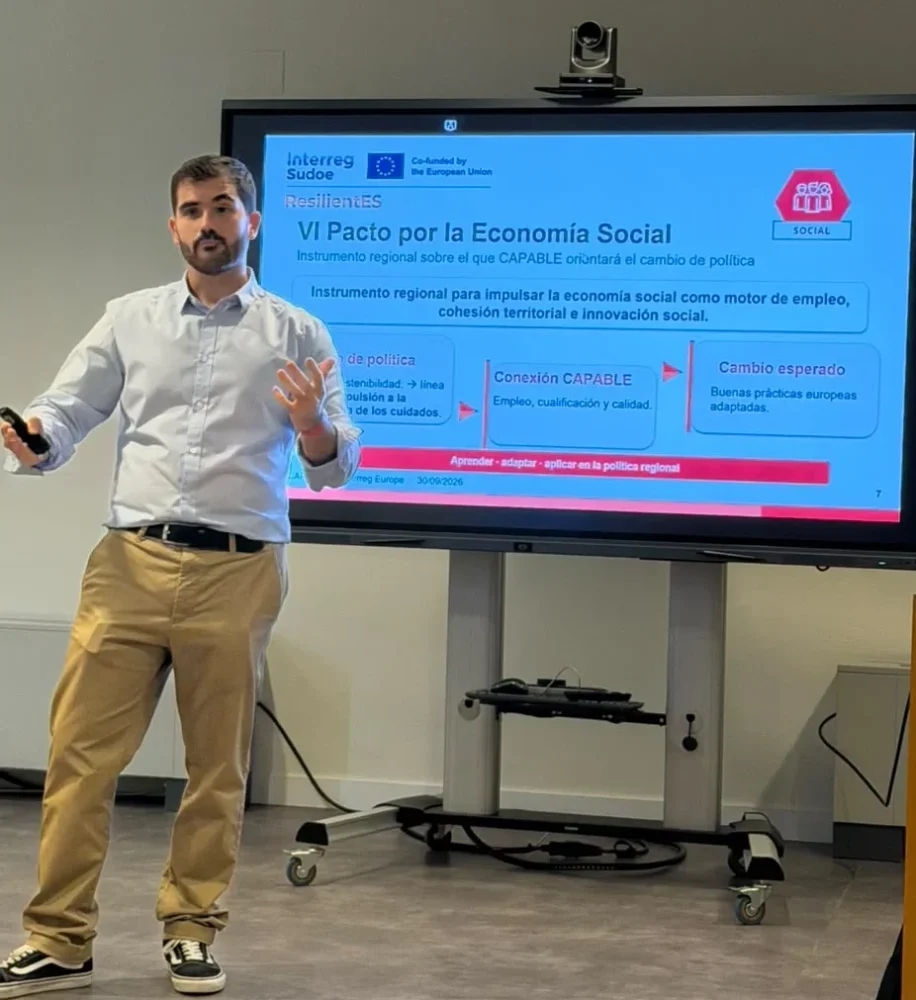
The fair, organized by the Union of Cooperatives of the Region of Murcia (UCOMUR) and the Regional Government's Directorate General for the Self-Employed and Social Economy, took place within the framework of the European Interreg Sudoe ResilientES project , in which the Federation of Municipalities participates as a stakeholder . The event brought together organizations, entities, and professionals linked to the social economy and rural entrepreneurship, with the aim of promoting initiatives capable of generating employment, revitalizing rural areas, and helping to curb depopulation.

CAPABLE: improving care and creating opportunities in rural municipalities

During the event, Leo Lizón, the technical manager of the CAPABLE project , presented the objectives and main lines of action of this European initiative, focused on improving public policies related to the care sector, promoting the professionalization of its workers and encouraging the exchange of good practices between the participating territories.

The intervention focused on the potential of the care economy as an engine of economic and social development in rural municipalities , especially those facing an aging population, population decline, and a shortage of job opportunities for young people.

In this context, improving services for the elderly represents a double opportunity: responding to a growing social need and promoting the creation of skilled, stable employment linked to the territory, contributing to maintaining the population and revitalizing local economies.

A participatory workshop to identify good practices

The Federation's participation included facilitating a workshop on the economics of care in rural areas , in which attendees were invited to share experiences, identify initiatives of interest and propose good practices that can contribute to improving working conditions and the quality of care services for the elderly.

The contributions gathered will allow the CAPABLE project to expand its repertoire of experiences, with the aim of identifying solutions that can inspire improvements in public policies and promote their transfer between European territories.

In addition, the FMRM had an exhibition space from which it presented CAPABLE and other initiatives in which it participates, facilitating the exchange of information and the establishment of contacts with entities and professionals in the field of social economy.

The event made it possible to identify experiences of interest and generate new connections that can contribute both to the development of CAPABLE and to the promotion of future collaborative initiatives.

With this participation, the Federation of Municipalities reinforces its commitment to finding innovative solutions to the challenges facing the municipalities of the Region of Murcia , focusing on European cooperation, improving public services, and leveraging the opportunities offered by the social economy to build more dynamic, inclusive, and sustainable rural territories.

The Commission on Transparency, Open Government and Citizen Participation addresses new advances in the implementation of the European ELoGE Seal, the exchange of European best practices and the training of public employees.

Santomera and Molina de Segura are committed to participating in the new call for the ELoGE Seal, a recognition currently held in the Region of Murcia by the municipalities of Cartagena and Alcantarilla.

The Federation of Municipalities of the Region of Murcia (FMRM) held a new meeting of its Commission on Transparency, Open Government and Citizen Participation, in which municipal representatives reaffirmed their commitment to strengthening transparency, citizen participation and the continuous improvement of local public management.

The FMRM working committees are spaces for meeting and coordination between the municipalities of the Region, fundamental to sharing experiences, addressing common problems and promoting joint solutions that contribute to improving municipal management and the services provided to citizens.

The meeting, held at the Federation's headquarters, was chaired by Mario Pérez Cervera, mayor of Los Alcázares and president of the Commission , accompanied by his vice-president, Pedro José Noguera, mayor of Las Torres de Cotillas.

Representatives from the municipalities of Murcia, Mercedes Bernabé; Cartagena, Álvaro Valdés; Alcantarilla, Luis Salinas; Beniel, Susana Hernández and Juan Valero; Abarán, Jorge Ato; and Santomera, María Tornel, also participated as members.

ELoGE: Municipalities' commitment to excellence in governance

One of the central issues of the meeting was the promotion of a new call for the European Seal of Excellence in Local Governance (ELoGE) , considered one of the highest European recognitions in the field of good democratic local governance, promoted by the Council of Europe.

This distinction assesses compliance with twelve fundamental principles, including transparency, citizen participation, public ethics, accountability, administrative efficiency, and sustainability.

The Federation of Municipalities, as an entity accredited by the Council of Europe to promote the application of this recognition in the Region of Murcia , plays an essential role in supporting municipalities that wish to move towards European standards of good governance.

Currently, Cartagena and Alcantarilla are the only municipalities in the Region that have this seal , consolidating themselves as regional benchmarks in transparency and democratic quality.

In this new call, Santomera and Molina de Segura have opted to participate in the evaluation process , taking a new step towards institutional excellence.

The Commission has emphasized the importance of more and more municipalities joining this initiative, not only as an opportunity to gain European recognition, but also as a tool for diagnosis, learning and continuous improvement of municipal administration.

Learning from Europe to improve municipal public services

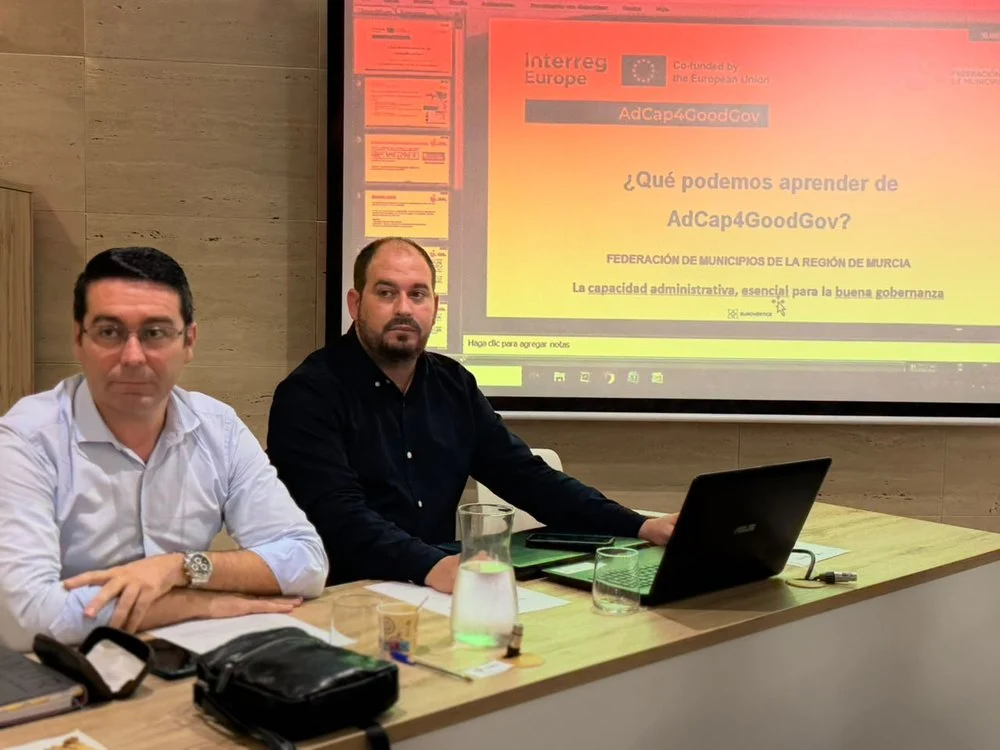
Another highlight was the presentation of the progress of the European project AdCap4GoodGov , in which the FMRM participates and which is co-financed by the European Union through the Interreg Europe program.

This project brings together administrations and entities from six European countries with the aim of strengthening the administrative capacities of local governments, improving the efficiency of public services and promoting a more transparent, innovative and citizen-centered governance.

During the Commission meeting, various European experiences were shared that can serve as inspiration to the municipalities of the Region of Murcia, especially in areas such as the digitization of administrative procedures, the use of public data, citizen participation and the simplification of procedures.

Among the best practices presented are initiatives developed in Italy, Germany and Romania, such as the Piedmont ICT Observatory, which uses data to improve decision-making; the ZukunftsVIT project, which promotes participation and urban revitalization; or the municipal digitization experiences of Sadu and Ciugud, aimed at facilitating citizens' access to public services.

The FMRM seeks to transfer this knowledge to the municipalities of Murcia, promoting the exchange of experiences and the adaptation of solutions that have already proven their usefulness in other European territories.

New challenges: data protection, transparency and training of public employees

The Commission has also defined the main lines of work that will be addressed in upcoming meetings, with special attention to the practical needs that local councils face in their daily management.

These include the anonymization of administrative documents, the protection of personal data and the correct application of transparency obligations , fundamental issues to guarantee both the right of access to public information and legal certainty and the protection of citizens' rights.

In addition, the training and support opportunities offered by the School of Training and Innovation of Public Administration (EFIAP) will be addressed to strengthen the training of municipal technical staff in matters of transparency and good governance.

The goal is to move towards shared solutions that facilitate the work of local government professionals, especially in municipalities with fewer technical and human resources.

With this meeting, the Federation of Municipalities reaffirms its role as a space for coordination, cooperation and exchange of knowledge among the 45 municipalities of the Region , promoting a local administration that is increasingly open, efficient, participatory and committed to the needs of the citizens.

The FMRM highlights the importance of municipalities analyzing the opportunities offered by the new regional regulations and reminds them that they have until January 8, 2027 to make certain decisions regarding their implementation.

The Secretary General of the Federation of Municipalities of the Region of Murcia (FMRM), Antonio Moreno , has conveyed to the 45 municipalities of the Region the main new features of Decree-Law 3/2026, of July 3, on Affordable Housing in the Region of Murcia and urgent measures in urban planning, after participating in a technical conference on the Regional Strategy for Affordable Housing.

This new regulation introduces measures aimed at increasing the residential supply, facilitating the construction of subsidized housing, recovering unfinished buildings and urbanizations, and making certain urban planning requirements more flexible, opening up new possibilities to address housing needs in municipalities.

One of the most important aspects for local authorities is their ability to decide on certain extraordinary measures outlined in the decree-law. Municipalities have until January 8, 2027, to agree in plenary session, when permitted by law, to exclude some of these measures from their municipal boundaries, establish additional conditions, or define the areas where they may be applied.

The planned actions include the transformation of commercial premises and other properties into housing, the recovery of unfinished constructions, the increase in building capacity to promote protected housing, and the flexibility of certain residential typologies.

The FMRM considers it especially important that municipal technical and legal services study these possibilities, assessing their suitability to the urban characteristics, available infrastructure and housing needs of each locality.

Along with these temporary measures, the decree-law incorporates structural reforms to regional urban planning legislation aimed at simplifying procedures, reducing certain administrative deadlines and facilitating rehabilitation and residential development actions.

The Federation emphasizes that the challenge of expanding the supply of affordable housing requires coordination between administrations, legal certainty and tools that allow municipalities to respond to their own realities.

In this regard, the FMRM offers its collaboration and advice to the municipalities to facilitate the analysis of new regulations and to channel inquiries of general interest to the regional administration.

Also, during the technical session, the General Directorate of Territorial Planning and Architecture announced the upcoming launch of a specific consultation channel for municipal technicians, with the aim of facilitating the interpretation and application of the new provisions.

With this initiative, the Federation of Municipalities reaffirms its commitment to strengthening municipal management and seeking solutions that contribute to improving access to housing throughout the Region of Murcia , respecting the particularities of each municipality.

The mayor, Pedro José Noguera, conveyed the City Council's enthusiasm for a project that represents an opportunity to strengthen the municipality's security, urban planning, and resilience to extraordinary rainfall.

Las Torres de Cotillas hosted the meeting of the partnership of the European LIFE FloodProof project , an initiative aimed at improving flood risk management in urban areas of the Segura River basin through cooperation between administrations, technical entities and local agents.

The meeting allowed for a review of the progress of the project's various work packages, which focused on improving knowledge about flood risk, redefining flood and risk maps, identifying opportunities to increase urban green infrastructure, analyzing European best practices, developing early warning systems, and promoting governance, citizen participation, and communication actions.

During the day, the mayor of Las Torres de Cotillas, Pedro José Noguera , visited the meeting to greet the partners and personally convey the enthusiasm with which the City Council is participating in LIFE FloodProof. The mayor emphasized that the project represents a very important opportunity for the municipality, both for its contribution to improving the urban response to extraordinary rainfall events and for its capacity to strengthen the safety and protection of residents.

In this regard, the City Council presented the actions being carried out in the municipality to improve its performance in the face of heavy rains, in a context in which urban adaptation, prevention and planning are key to reducing the impacts associated with flooding.

LIFE FloodProof proposes a comprehensive, knowledge-based approach to building more prepared and resilient municipalities. It combines technical information, urban planning, green infrastructure solutions, community engagement, training, citizen monitoring, and real-time early warning tools.

The meeting also included monitoring the coordination work of the project, the collection of geomorphological information and historical flood data, the improvement of urban planning and management, the creation of local governance groups, the emergency and civil protection training plan, as well as the upcoming communication actions led by the Federation of Municipalities of the Region of Murcia.

LIFE FloodProof emphasizes the importance of collaboration between municipalities, universities, specialized entities and public administrations to advance in a more effective, participatory and adapted flood risk management to the real needs of the territory.

The agreement will facilitate compliance with the measures ordered by the Juvenile Court through community service in the municipalities themselves.

The Federation of Municipalities of the Region of Murcia and the Ministry of Social Policy, Families and Equality have signed a new collaboration agreement to facilitate community service for minors with court-ordered measures in their local areas.

The agreement, signed by the president of the Federation of Municipalities of the Region of Murcia, Víctor López Abenza, and the Minister of Social Policy, Families and Equality, Conchita Ruiz, will be valid for four years and will strengthen collaboration with the municipalities so that these young people can fulfill these measures in their municipality, promoting their social inclusion and repairing the damage caused in their immediate environment.

The president of the FMRM, Víctor López Abenza, has stressed that “the collaboration of the Federation of Municipalities is fundamental to getting more and more town councils to join this agreement, because it is the local entities that can make it possible for these minors to perform community service in their own town, without having to travel to other municipalities.”

López Abenza recalled that the previous agreement involved the collaboration of 43 of the 45 municipalities in the Region of Murcia , a figure that demonstrates “the municipalities’ commitment to social inclusion, values-based education, and support for individuals.” In this regard, he indicated that the objective of this new agreement is “to achieve 100 percent municipal participation,” incorporating all the municipalities in the Region.

“The most important thing for any mayor is to respond to the needs of their constituents. And this agreement allows precisely that: to offer a useful, accessible, and humane response, both to the minors who need a real opportunity to rectify the mistake they made and to the people and municipal services that can benefit from these actions,” stated the Federation president.

López Abenza pointed out that this agreement “transforms the court-ordered measure into a real opportunity for the minor to become aware of the mistake made, repair the damage caused, and do so within a familiar, normalized, and familiar environment.” In this regard, he added that “when a young person can serve this measure in their own town, close to their family, their school, and their daily life, reintegration is much more likely to be successful.”

Furthermore, the Federation's president highlighted the social component of these actions, since many of the assigned tasks are linked to supporting the elderly, people with special needs, or areas related to municipal social services.

“It’s not just about complying with a measure, but about the child understanding that their actions have consequences and that they can also contribute positively to their community, helping those who need it most,” said López Abenza.

During the past year, a total of 70 adolescent and young adult offenders in the Region of Murcia carried out these types of measures, primarily for offenses related to vandalism, robbery, or theft. This figure represents 17 more minors than in 2024. According to the data provided, 85 percent were male and 97 percent were over 16 years old.

These community service programs, mandated by the Juvenile Court in final judgments, are unpaid activities and an alternative to detention. In the Region of Murcia, they last an average of 20 to 100 hours and may consist of socio-educational tasks, accompanying the elderly or people with special needs, maintaining parks and gardens, cleaning public furniture, or other activities of social interest to the municipality.

The Minister of Social Policy, Families, and Equality, Conchita Ruiz, highlighted the high effectiveness of these measures during the signing ceremony, noting that "95 percent of minors do not reoffend," and emphasized their educational and socializing value. She further explained that the goal is for minors "to become aware of the harm they have caused, to take responsibility for their actions, and to understand the impact these actions have had on their immediate environment."

For the implementation of these measures, minors are accompanied by an educator who guides the process to ensure the program has a positive effect on their reintegration, is proportionate to the offense committed, and also addresses the social needs of the community. This professional also works directly with the minor's family to promote more effective integration.

Víctor López Abenza expressed his gratitude for the willingness of the municipalities in the Region of Murcia to participate and encouraged local entities to continue joining this initiative. “From the Federation, we will continue working to bring this agreement closer to the municipalities, because local government is the closest to the citizens and also the one best positioned to offer useful, humane solutions tailored to each specific situation,” he concluded.

In 2025, 40 percent of the measures implemented involved the participation of local councils, while the remaining 60 percent were supported by non-profit entities.

Inserta Empleo, a program of the ONCE Foundation, visited the FMRM headquarters to hold a meeting of the monitoring committee for the existing agreement between the two organizations. It was highlighted that 20 municipalities have now joined the agreement, two more since the last meeting.

The Federation of Municipalities has held a new meeting of the Monitoring Committee of the collaboration agreement with Inserta Empleo-ONCE, with the aim of reviewing the status of the actions developed and planning the next steps of this initiative aimed at promoting the labor market integration of people with disabilities and other groups with special difficulties in accessing employment.

Representatives from the municipalities of Alcantarilla, Murcia, and Los Alcázares attended the meeting, where they were received by Secretary General Antonio Moreno and Director of European Projects Manuel Pato. José Luís Aedo and Delia Torralba, president of Inserta Empleo, represented the association. Since the Commission's last meeting, two new municipalities have joined the agreement, bringing the total number of participating local councils to 20.

During the session, a review was conducted of the actions being carried out within the framework of the agreement and new lines of work were agreed upon to reinforce its impact:

  • Launch of a quarterly newsletter, which will serve as a channel for information and updates on the activities of the agreement.
  • Organization of an annual monothematic conference, focused on delving deeper into key aspects of labor market integration.
  • Questionnaire Development aimed at the participating municipalities to identify and share the best practices that are already being developed in the different municipalities.
  • Promotion of training aimed at public employees in the areas of municipal social services and employment, in order to improve the care and support provided to people seeking employment.

The ultimate goal of this agreement is to make it easier for people with greater difficulties accessing the labor market to find employment, through collaboration between local administrations and Inserta Empleo of the ONCE Foundation.