The Federation participates in a conference on the eIDAS 2 Regulation and learns about cooperation experiences between administrations that could serve as a reference for the Region of Murcia.

The Federation of Municipalities of the Region of Murcia (FMRM) participated in the conference “The implementation of the eIDAS 2 Regulation in Spain: are we really prepared?”, held on November 5 at the University of Murcia and organized by the Integra Foundation Chair on Identity and Digital Rights.
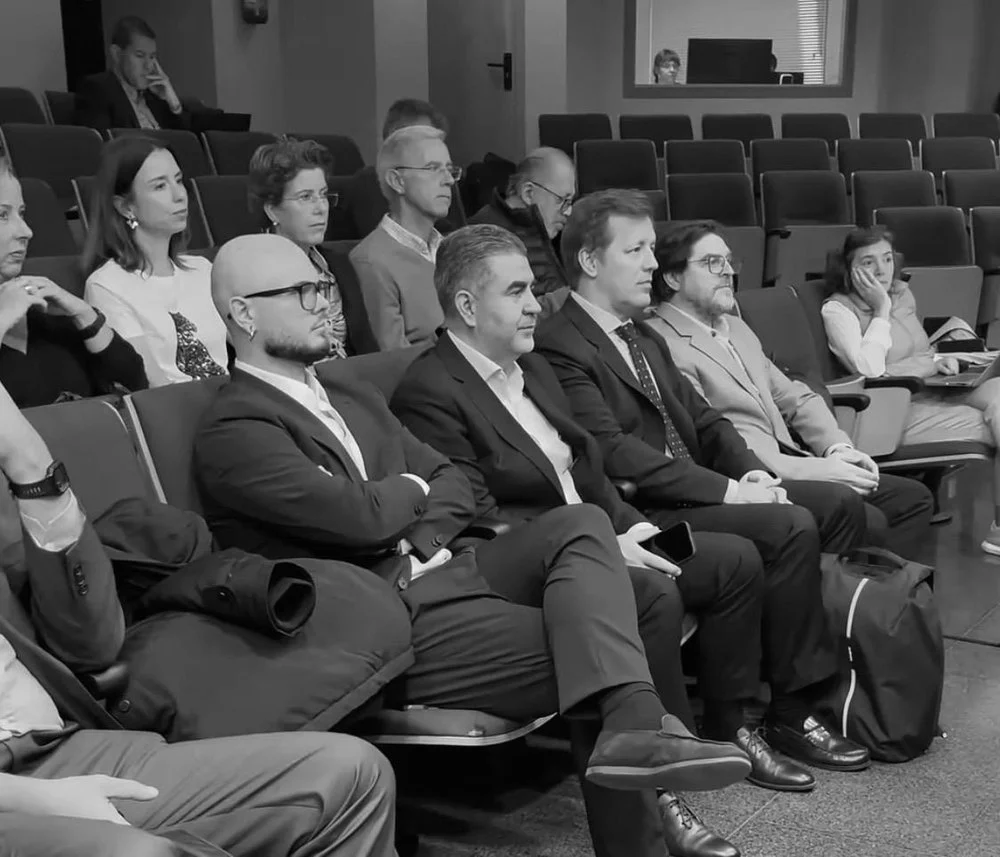
The meeting addressed the challenges and opportunities of the new European digital identity framework, especially the future European Digital Identity Wallet, which will allow citizens and businesses to electronically identify themselves and securely verify certain personal, academic or professional data throughout the European Union.

For the FMRM, this new framework represents an opportunity to move towards more accessible and efficient public administrations, simplifying procedures and reducing the documentation that citizens and companies must provide in their dealings with public services.

Administrative cooperation and municipal public services

One of the most interesting aspects has been the inter-administrative collaboration model presented by Daniel Martínez Pardo, from the Open Administration Consortium of Catalonia (AOC), based on cooperation between administrations to facilitate citizens' access to electronic administration services.

The experience constitutes a reference of interest for exploring possible formulas of collaboration between the Autonomous Community of the Region of Murcia and the municipalities, in which the FMRM could perform municipal support and coordination functions, in accordance with the initiatives that, where appropriate, are jointly promoted.

The day also provided an opportunity to reflect on the evolution of electronic identification tools and their possible implications for municipal administrative procedures, including the potential adaptation of electronic administration ordinances and their application in areas such as public procurement.

Connection with FMRM European projects

Participation in this event is especially related to the Interreg Europe AdCap4GoodGov project , in which the FMRM collaborates with the General Directorate of Digital Transformation of the Autonomous Community to identify European good practices that can contribute to improving regional digital transformation policies.
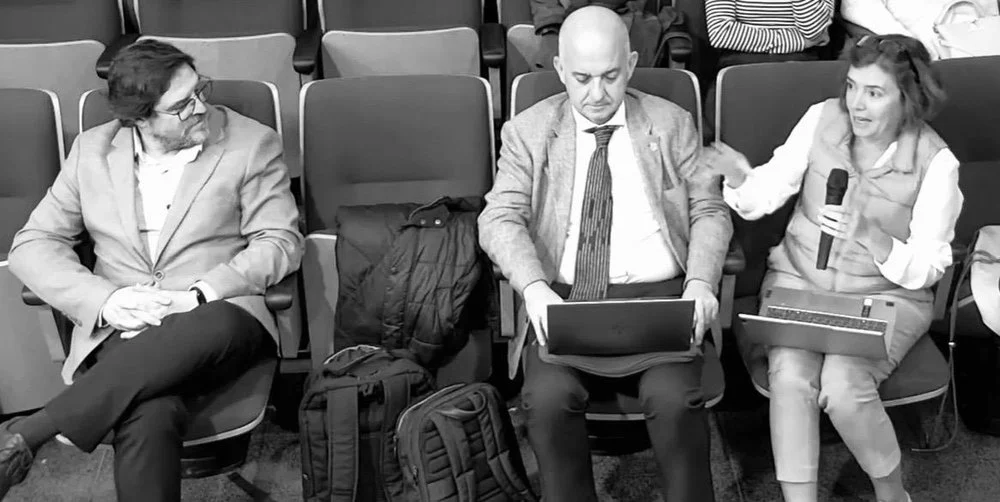
In this context, the Federation also has the collaboration of Julián Valero Torrijos, director of the Integra Foundation Chair on Identity and Digital Rights and organizer of the event, as a member of the group of experts linked to the project.

Furthermore, the new possibilities for electronic accreditation of skills and professional qualifications have connections with the Interreg Europe DSBP Governance project , aimed at improving the digital skills of public employees, and with the participation of the FMRM in the European Pact for Skills initiative.

The day also addressed professional mobility in Europe, through a presentation by Elena Córdoba Azcárate of Unión Profesional. This issue has become particularly relevant following the presentation, on September 15, of the European legislative proposal Skills Portability Act , aimed at facilitating the portability and verification of professional qualifications and skills between Member States.

These initiatives can, in turn, offer new perspectives of interest for areas such as the care economy, the focus of the Interreg Europe CAPABLE project , in which the Federation participates.

With its presence at this event, the FMRM continues to identify experiences, knowledge and good practices that can contribute to bringing European innovation closer to the needs of the 45 municipalities of the Region of Murcia , promoting more accessible, efficient and citizen-focused public services.

The Federation of Municipalities of the Region of Murcia (FMRM) is participating this week in Latvia in a new meeting of the European project Interreg Europe DSBPGovernance – Digital Skills for Better Public Governance , an initiative that works to improve the digital skills of public employees and move towards more efficient, accessible public services adapted to the new needs of citizens.

The Secretary General of the FMRM, Antonio Moreno, and the Head of Training, José Fernández, traveled to this meeting accompanied by Caridad de la Hera, Director General of Public Service and Social Dialogue of the CARM, and Antonio Mula, an official from the Cartagena City Council, thus reinforcing the training of the European exchange.

The meeting, which is being held from September 8 to 10 in Riga and other locations in Latvia , brings together the European partners of the project to learn about different experiences related to the training of public administration staff, the development of digital skills and the transformation of public services.

The first day provided firsthand insight into the Latvian model through representatives from the Ministry of Smart Administration and Regional Development , the Ministry of Education and Science , and the Latvian School of Public Administration.

The experiences presented include learning and development systems for public employees, new training platforms and individual learning accounts, as well as various strategies for strengthening digital skills within public administrations. The program also includes visits to the Skills Development Center at the National Library of Latvia and the Baltic Computer Academy.

The representative of the Federation of Municipalities, Antonio Moreno , emphasized that " the digital transformation of our town halls is not just about incorporating new technological tools, but about ensuring that public employees have the necessary training and skills to use them effectively and put them at the service of the citizens. One of the FMRM's commitments is to bring these new tools to our members ."

Moreno also pointed out that " these types of European meetings allow us to learn about experiences that are already working in other territories, analyze what we can adapt to our reality and continue improving the training we offer to the municipalities of the Region of Murcia ."

From digital skills to better public services

The digital transformation of public administrations requires progress not only in technology but also in training. One of the main challenges is ensuring that public professionals have the knowledge and skills necessary to incorporate new tools into their daily work and improve the delivery of services to citizens.

During the meeting, local experiences are also analyzed. The second day includes a visit to the Human Resources and Skills Development Center of the Zemgale Region in Jelgava, as well as the Jelgava Local Government Information and Operations Center , allowing participants to learn about solutions developed locally and their practical application in local administration.

Exchange experiences to apply them in the municipalities

This exchange adds to the work that the Federation has been developing within the framework of the project to identify needs, share tools and bring local entities closer to experiences that may be useful in their modernization and digital transformation processes.

The meeting in Latvia will conclude on Thursday, September 10, with a planning session between the partners aimed at reviewing the next steps and advancing the planned actions within the project.

With its participation in DSBPGovernance, the Federation continues working to bring European experiences, tools and models to the municipalities of the Region of Murcia that contribute to a local administration better prepared to face the digital transformation and offer better public services.

The Federation of Municipalities of the Region of Murcia hosted the study visit of the European project Interreg DSBP Governance, held in Murcia and Cartagena from May 26 to 28, with the participation of European partners committed to improving digital skills in public administration.

Over three days, the meeting has allowed participants to share experiences, review project progress, and learn about regional and local best practices in training public staff in digital skills to improve services to citizens.

The agenda included working sessions at the FMRM headquarters, contributions from the Autonomous Community on training and digital needs of the public sector, and technical visits to reference initiatives such as the digitization experience of the Polytechnic University of Cartagena, the good practices of the Cartagena City Council, the CEUS and the NUBE Center of the Murcia City Council, and the Integra Digital Foundation.

The visit has reinforced the role of the Region of Murcia as an active territory in the digital transformation of local administrations, focusing on a more efficient, accessible administration prepared to respond to the challenges of citizens.

DSBP Governance is a European Interreg project aimed at improving the digital skills of public employees to advance towards better governance and higher-quality public services. The FMRM is participating as a partner in the project, along with European entities from Belgium, Italy, Latvia, France, and Romania.

During the meeting, the main European projects in which the Federation participates were discussed, as well as new funding and collaboration opportunities. The FMRM, which represents the 45 municipalities of the Region of Murcia, plays a key role in representing local interests at the regional, national, and European levels.

The meeting involved the exchange of information on initiatives related to sustainable development, social cohesion, innovation in public administration and adaptation to climate change, areas in which the Federation maintains an active participation through various European programs.

Municipal priorities were also analyzed within the European context, highlighting the importance of strengthening local administrative capacity, promoting digitalization, and fostering inclusive policies that improve the quality of life for citizens.

This visit reinforces the FMRM's commitment to Europe and its role as a key interlocutor in conveying the needs of the municipalities of the Region of Murcia to European institutions, promoting strategic alliances and the exchange of knowledge.

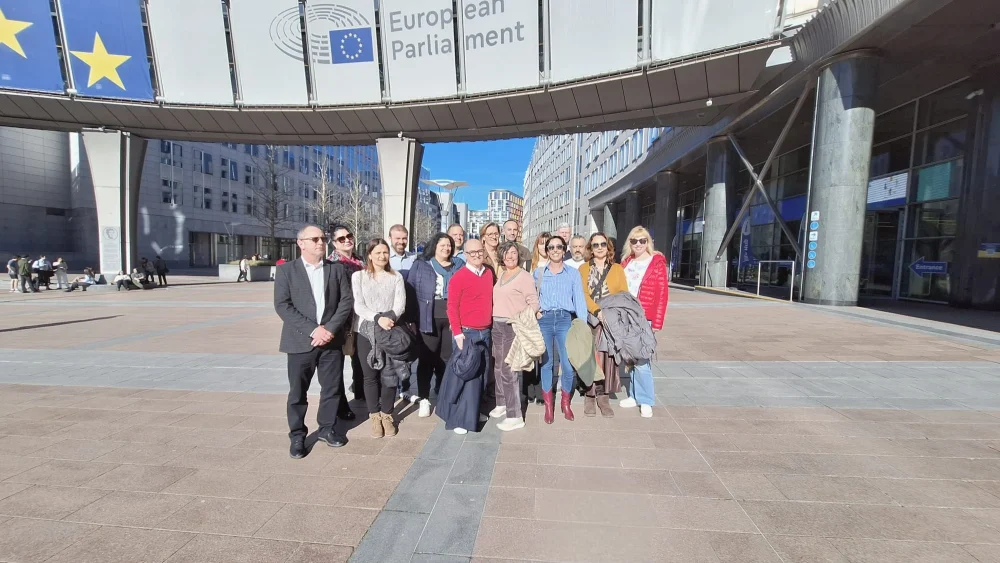
Representatives from various European territories, including the team from the Federation of Municipalities of the Region of Murcia , have participated in Brussels in a study visit of the European Interreg DSBP Governance project to analyze how to strengthen the digital skills of public employees and move towards the objectives of the Digital Compass 2030.

Digital transformation has become one of the European Union's major strategic priorities. This is reflected in its Digital Compass 2030 plan , which sets objectives such as ensuring that 80% of the population has basic digital skills, that all public services are digitized, and that technologies such as artificial intelligence, the cloud, and Big Data are fully integrated into public administration and the economy.

In this context, the European project DSBP Governance is being developed , led by the Ministry of the Wallonia-Brussels Federation and in which the Federation of Municipalities of the Region of Murcia participates as a partner, along with the province of Livorno (Italy), the region of Riga (Latvia) and the cities of Paris and Brasov (Romania).

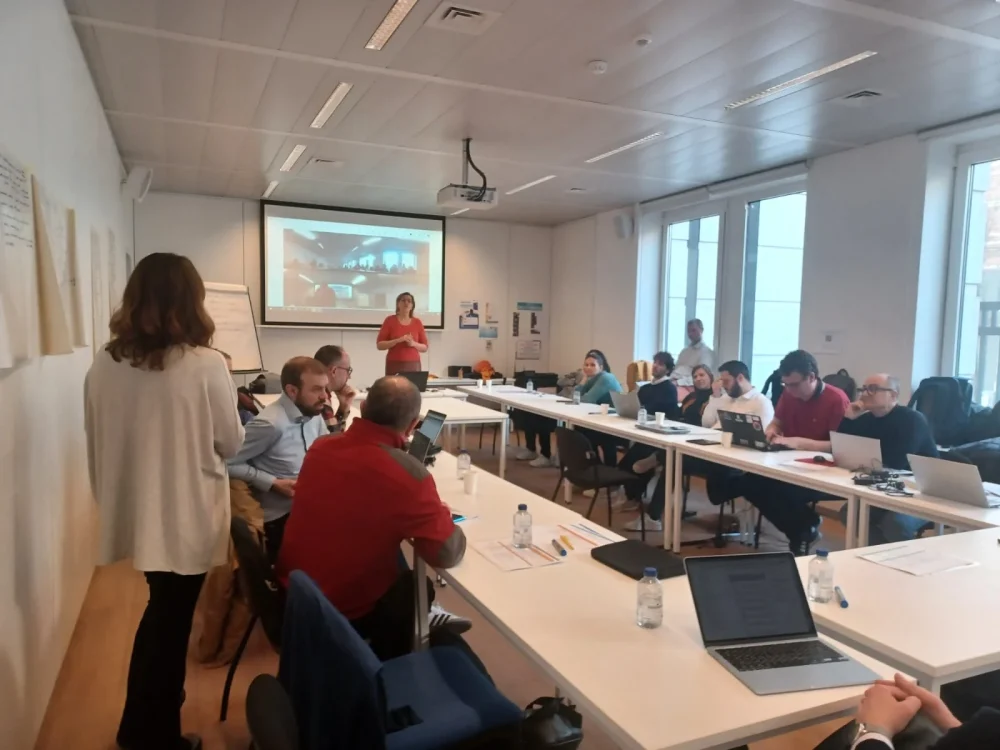
On February 24, 25 and 26 , Brussels hosted the fourth study visit of the project , a meeting in which the partners shared methodologies and experiences to improve digital training within public administrations.

During the event, the “Map & Match” project was presented , focusing on mapping the roles of public employees and the digital skills needed to perform them. Additionally, methodologies designed to promote the development of these skills within public organizations were explored in depth.

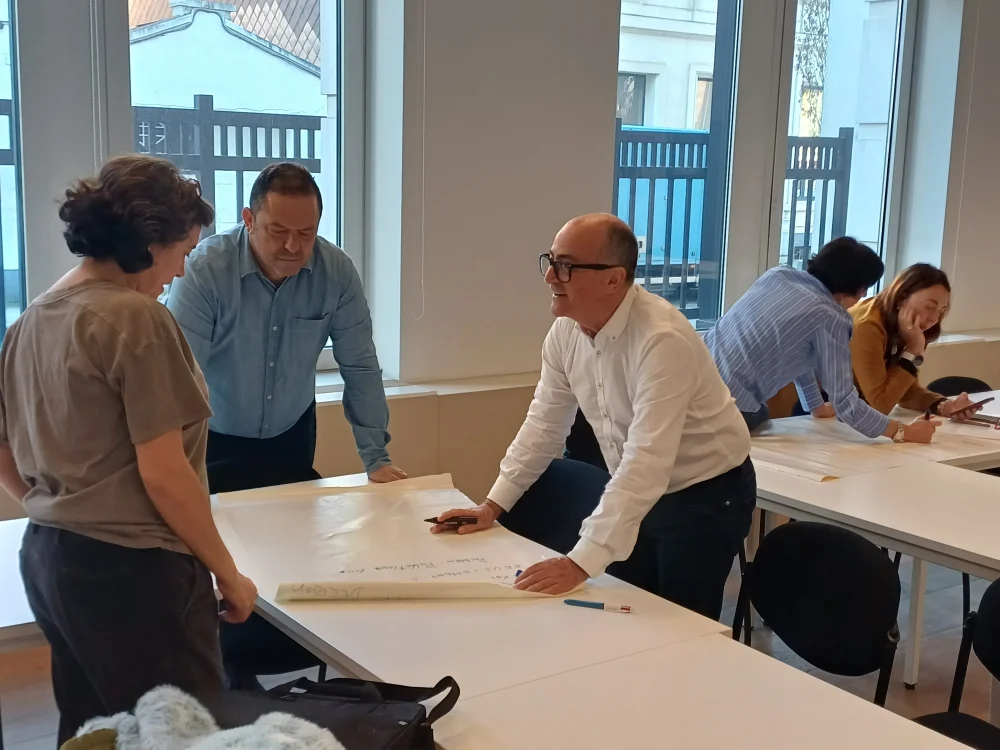
The second part of the meeting focused on collaborative work among all partners through two practical workshops dedicated to:

  • la Measuring the impact of digital skills on public governance,
  • and Definition and evaluation of the basic digital skills of public employees.

The study visit allowed for an assessment of the level of preparedness of the administrations in the face of the challenge of digitalization by 2030, as well as the sharing of knowledge, experiences and synergies between the different projects and lines of work that are being developed in Europe.

The meeting also served to reinforce the idea that training public employees is a key strategic factor in advancing the digitalization of the administration, always with the ultimate goal of improving the quality of services provided to citizens.

The participating Spanish team consisted of representatives from EFIAP and the Public Service of the Autonomous Community of the Region of Murcia , through its training school, the unions —with representation from Comisiones Obreras— and from the Federation of Municipalities of the Region of Murcia , Manuel Pato, Director of European Projects, and Rocío Méndez.

The European project on improving public governance, in which the Federation of Municipalities is participating, will measure the digital knowledge of workers to offer better services to citizens.

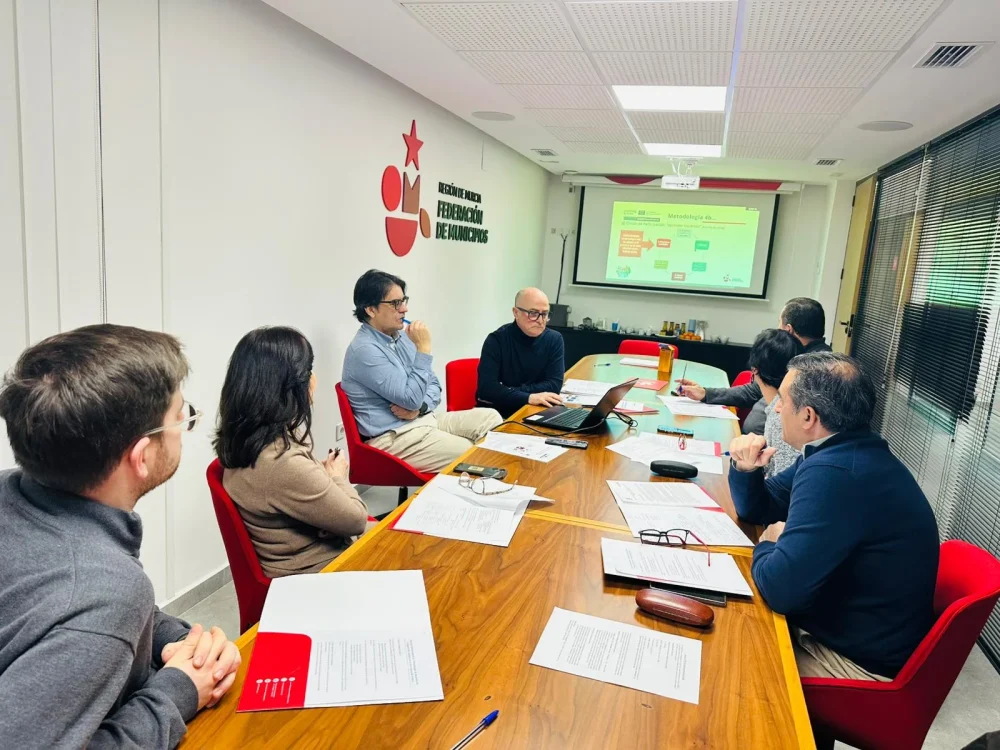
The Federation of Municipalities of the Region of Murcia hosted this morning the second meeting of the expert group for the project to improve the digital skills of public employees within the European 2030 Interreg DSBP Governance framework , which requires 100% of public services to be digitized. To achieve this goal, as explained by Manuel Pato, head of European projects at the FMRM, it is necessary to work on two levels. Firstly, "to make the administration more efficient through the use of technology and, therefore, through better-trained and/or qualified employees," he said. Secondly, he explained, "to reduce the digital divide among citizens, especially the most vulnerable groups, with the aim of leaving no one behind."

DSBPGovernance focuses on the first level, and therefore, in this meeting with representatives from various regional organizations that make up the advisory group, they discussed the different phases to be established to achieve these objectives and their methodology. The starting point is to understand the current situation of employees within the European framework of digital competences ( DIGCOM ), and subsequently, to set the objectives (KPIs) that will help us achieve a more efficient and digitized administration by 2023.

The commitment to advance at this level is shared with the General Directorate of Public Service of the CARM, by the city councils of Cartagena and Murcia, as well as by the rest of the city councils of the FMRM, and by the trade union organizations.

Continuing Education Plan for local employees

The organization representing the 45 municipalities runs an annual Training Plan for local government employees, with an average participation of approximately 1500 students per session. Currently, the FMRM is assessing the digital skills of the employees who complete this training, and this project will inform future plans to further enhance the digital preparedness of local officials, aligning their roles and the services they provide.

The European Union has created a self-assessment tool to measure citizens' level of digital literacy. DSBPGovernance proposes this assessment, through the PIX project , which is based not on self-belief but on the demonstration of actual knowledge. The FMRM, together with the Walloon Ministry (Brussels), which leads the project, is working on a complementary pilot project to transfer the PIX system to the Spanish digital literacy assessment system.

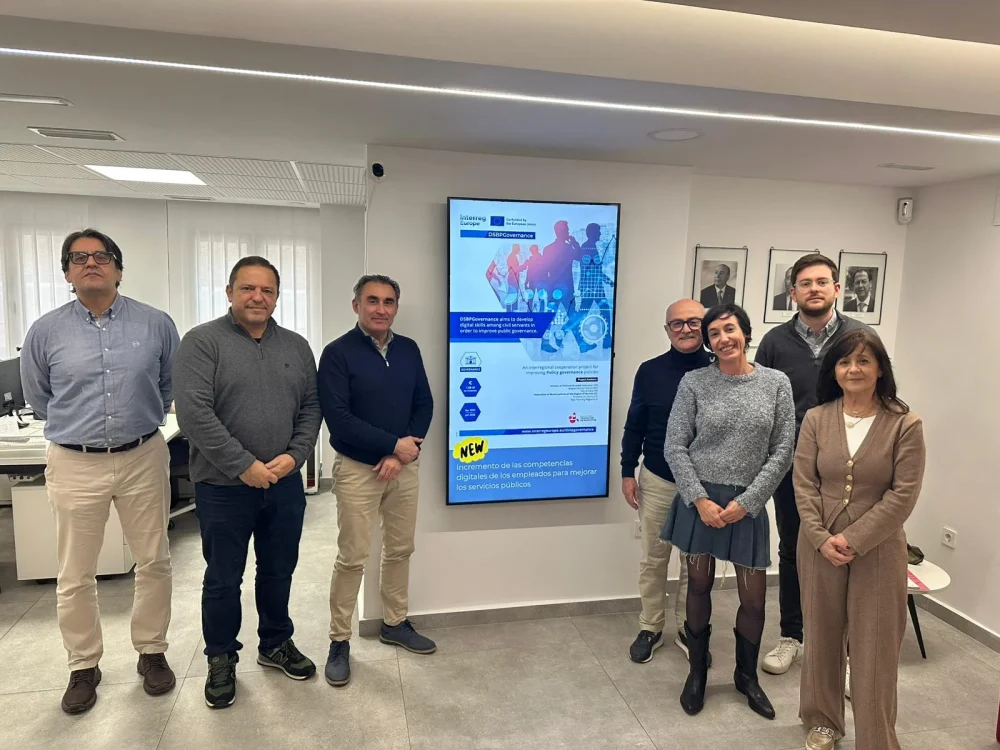
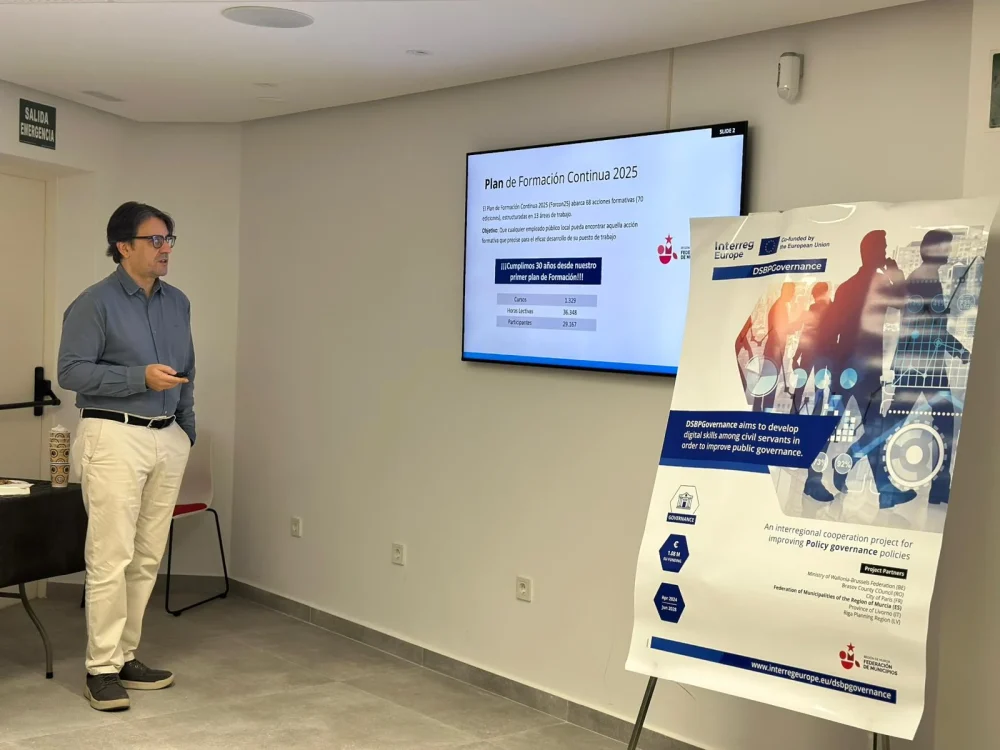
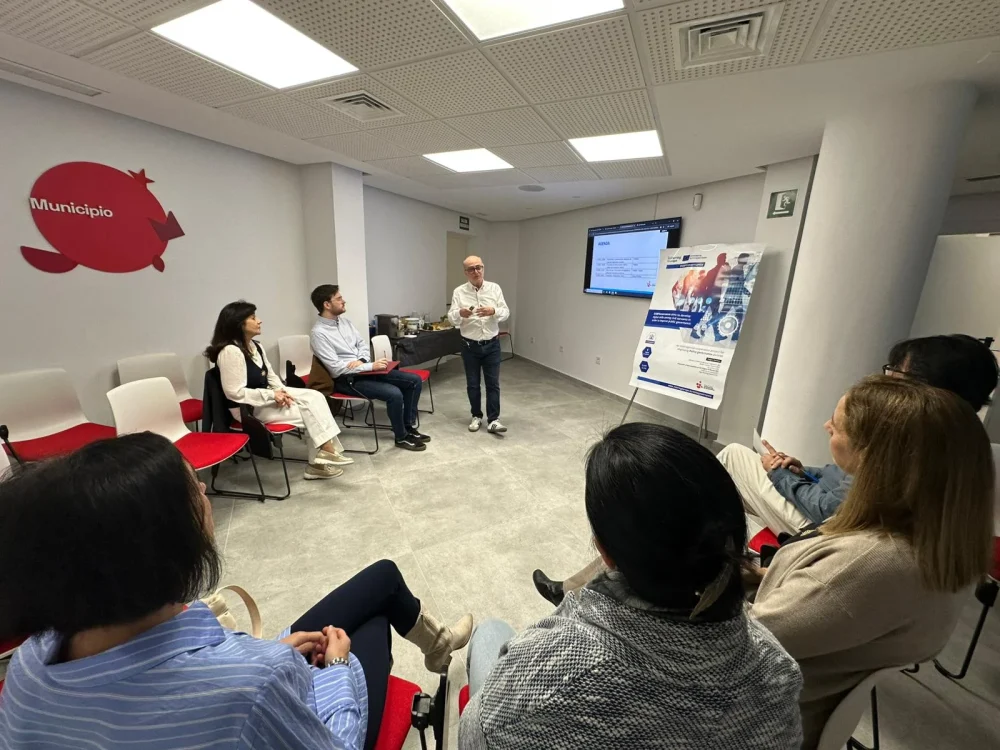
The Federation of Municipalities held a meeting this morning of the training expert group within the framework of the DSBP Governance project, belonging to the European Interreg Europe program , whose main objective is to improve the digital skills of public employees of the Administration.

During the meeting, the project's progress was presented, focusing on providing specialized training to public employees to strengthen their digital skills. This initiative aligns with the strategy set by the European Union, which has developed the DIGCOMP tool , a framework that defines the levels of digital literacy required for public employees, from level A1 to level D2.

The purpose of this tool is to ensure that public administration employees achieve an optimal level of digital skills, guaranteeing the safe and efficient use of technology in their daily work and in serving the public. The European Union has set a goal of fully digital public administrations by 2030 , making training a strategic element for achieving this transformation.

Another topic addressed at the meeting was the importance of exchanging best practices among the participating organizations. Cooperation and the replication of successful experiences between countries are essential elements in European projects, as they increase the effectiveness of public policies and improve results at the regional level.

The session was attended by the Director General of Public Service, Micaela Martínez , training specialists from the Murcia City Council , and representatives from the Workers' Commissions (CCOO ). The meeting was coordinated by Manuel Pato and José Fernández , heads of the Training Department of the Federation of Municipalities, an organization with over 30 years of experience in developing continuing education programs for public administration employees.

With this initiative, the Federation of Municipalities reaffirms its commitment to the modernization and digital transformation of the public sector and continues to consolidate itself as a regional benchmark in the training and qualification of public workers.

The Federation of Municipalities of the Region of Murcia (FMRM) has begun its participation in the European Interreg DSBPGovernance project (Digital Competencies for Better Public Governance) https://www.interregeurope.eu/dsbpgovernance by attending the first study visit in Brasov (Romania) organized by the consortium.

The purpose of this meeting is to gain firsthand knowledge of best practices in the governance and digitalization of local governments, with the aim of transferring this knowledge to the municipalities of the Region of Murcia and to regional experts involved in the development of public policies.

The information and experience gained will also be integrated into the FMRM's training policy, improving the digitalization courses offered annually to local government officials.

The Interreg DSBPGovernance project represents a valuable opportunity to strengthen the digital capacity of our municipalities and advance a more modern, accessible, and efficient local government.