The Federation participates in a conference on the eIDAS 2 Regulation and learns about cooperation experiences between administrations that could serve as a reference for the Region of Murcia.

The Federation of Municipalities of the Region of Murcia (FMRM) participated in the conference “The implementation of the eIDAS 2 Regulation in Spain: are we really prepared?”, held on November 5 at the University of Murcia and organized by the Integra Foundation Chair on Identity and Digital Rights.
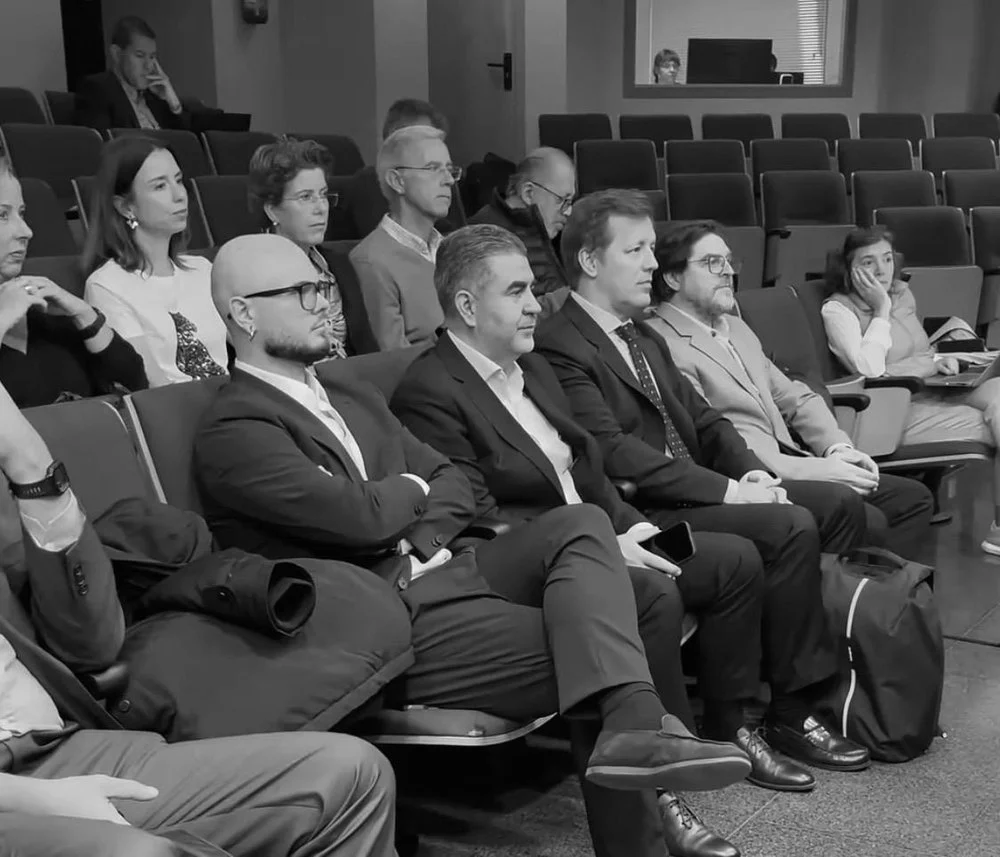
The meeting addressed the challenges and opportunities of the new European digital identity framework, especially the future European Digital Identity Wallet, which will allow citizens and businesses to electronically identify themselves and securely verify certain personal, academic or professional data throughout the European Union.

For the FMRM, this new framework represents an opportunity to move towards more accessible and efficient public administrations, simplifying procedures and reducing the documentation that citizens and companies must provide in their dealings with public services.

Administrative cooperation and municipal public services

One of the most interesting aspects has been the inter-administrative collaboration model presented by Daniel Martínez Pardo, from the Open Administration Consortium of Catalonia (AOC), based on cooperation between administrations to facilitate citizens' access to electronic administration services.

The experience constitutes a reference of interest for exploring possible formulas of collaboration between the Autonomous Community of the Region of Murcia and the municipalities, in which the FMRM could perform municipal support and coordination functions, in accordance with the initiatives that, where appropriate, are jointly promoted.

The day also provided an opportunity to reflect on the evolution of electronic identification tools and their possible implications for municipal administrative procedures, including the potential adaptation of electronic administration ordinances and their application in areas such as public procurement.

Connection with FMRM European projects

Participation in this event is especially related to the Interreg Europe AdCap4GoodGov project , in which the FMRM collaborates with the General Directorate of Digital Transformation of the Autonomous Community to identify European good practices that can contribute to improving regional digital transformation policies.
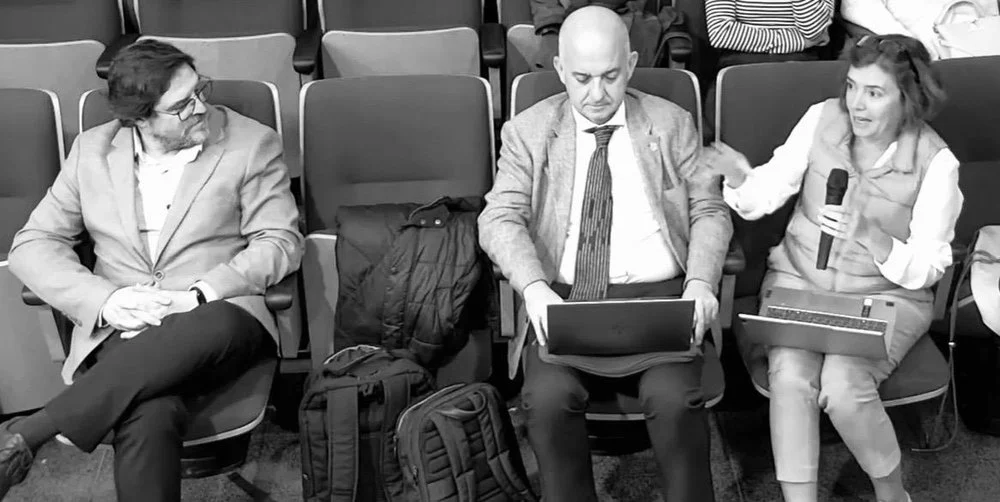
In this context, the Federation also has the collaboration of Julián Valero Torrijos, director of the Integra Foundation Chair on Identity and Digital Rights and organizer of the event, as a member of the group of experts linked to the project.

Furthermore, the new possibilities for electronic accreditation of skills and professional qualifications have connections with the Interreg Europe DSBP Governance project , aimed at improving the digital skills of public employees, and with the participation of the FMRM in the European Pact for Skills initiative.

The day also addressed professional mobility in Europe, through a presentation by Elena Córdoba Azcárate of Unión Profesional. This issue has become particularly relevant following the presentation, on September 15, of the European legislative proposal Skills Portability Act , aimed at facilitating the portability and verification of professional qualifications and skills between Member States.

These initiatives can, in turn, offer new perspectives of interest for areas such as the care economy, the focus of the Interreg Europe CAPABLE project , in which the Federation participates.

With its presence at this event, the FMRM continues to identify experiences, knowledge and good practices that can contribute to bringing European innovation closer to the needs of the 45 municipalities of the Region of Murcia , promoting more accessible, efficient and citizen-focused public services.
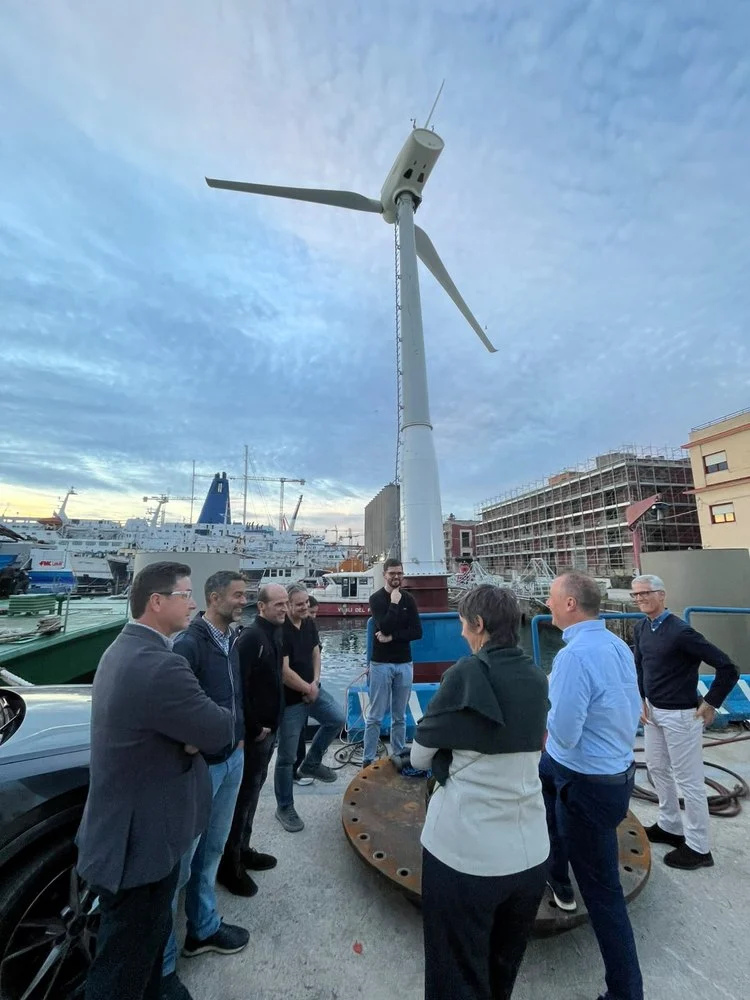
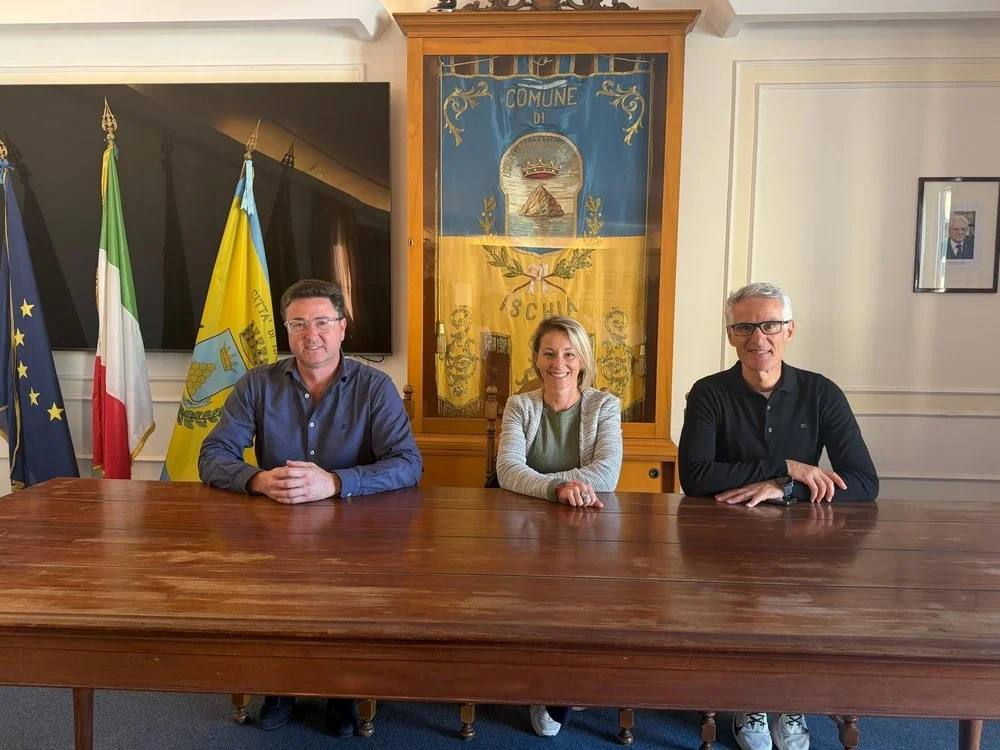
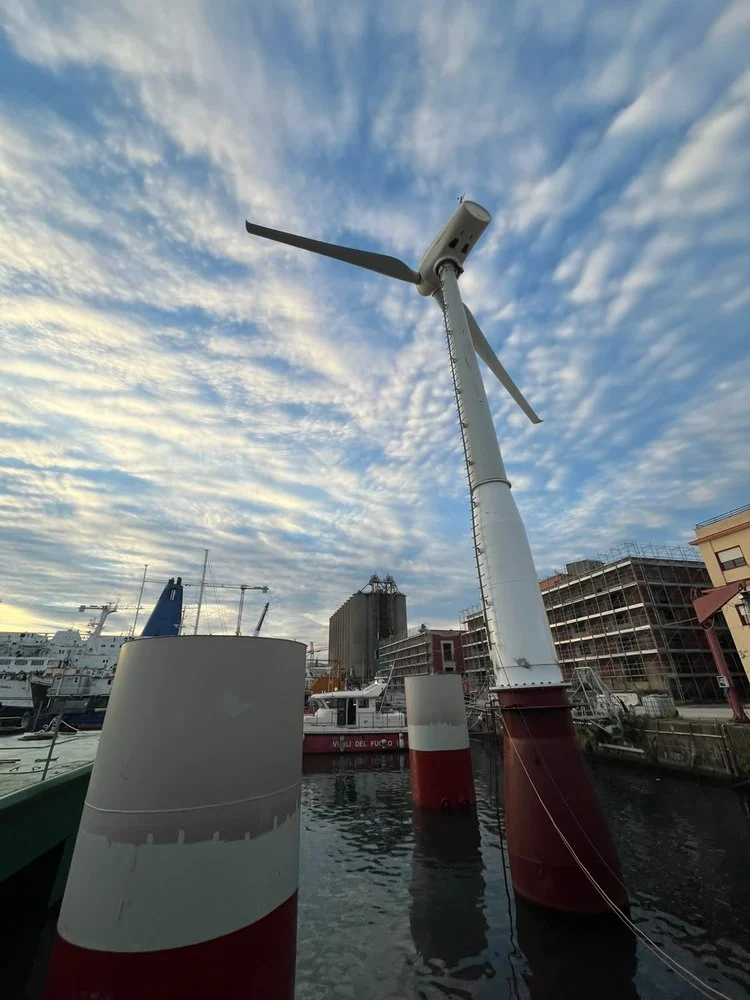
The Federation of Municipalities of the Region of Murcia (FMRM) has participated in Naples in a European meeting of the MED-Hubs project, of which it is a partner, to advance the implementation of new marine technologies and generate economic development opportunities in five ports of the Region of Murcia.

Mazarrón, Águilas, Los Alcázares, Cabo de Palos and San Pedro del Pinatar are the locations selected to develop actions related to innovation and sustainability.

The FMRM delegation included Antonio Moreno García, the Federation's Secretary General, and Miguel Borredat, a European projects technician specializing in marine biology and coordinator of MED-Hubs within the organization . Pedro José Sánchez, Councilor for Ecological Transition of the Los Alcázares City Council, was also invited to participate.

The visit, held on October 28 and 29 in Naples and the island of Ischia, allowed for the exchange of experiences on marine technologies, sustainable fishing, renewable energies and the participation of coastal communities.

Naples: European experiences in sustainable fishing and marine innovation

During the meeting, the Murcia delegation learned about the Italian model of innovation in sustainable fishing developed through the ALFA Hub experimental center , which incorporates artificial intelligence and digital tools for species recognition, catch recording and fishery traceability.

The visit also provided an opportunity to learn about the Fabbrica Italiana dell'Innovazione ecosystem , focused on entrepreneurship and collaboration between companies, researchers and institutions, as well as experiences related to marine biodiversity and the sustainability of coastal ecosystems.

Five ports in Murcia to develop new blue economy opportunities

Mazarrón, Águilas, Los Alcázares, Cabo de Palos and San Pedro del Pinatar are the selected locations to develop actions that allow emerging companies, researchers and entrepreneurs to test technological solutions linked to the sea.

MED-Hubs aims to leverage the potential of these ports as innovation hubs, fostering new economic activities and a more sustainable development of the coastal environment.

The FMRM connects European innovation with municipalities and their citizens

The Federation of Municipalities acts as a link between city councils, research centers, companies and administrations, facilitating the incorporation of solutions developed in MED-Hubs into municipal strategies.

Their participation focuses especially on the training of municipal technicians, the involvement of coastal communities and the dissemination of the project's results among the 45 municipalities of the Region , so that the opportunities of the blue economy reach the territory.

Next steps: technological trials, municipal training and citizen participation

The next actions in the Region of Murcia include the launch of the experimentation platform , where startups will be able to test and validate technological solutions mainly related to marine renewable energies and their port applications.

For its part, the FMRM will organize specialized training for municipal technicians and participatory workshops in the five selected ports , with the aim of involving local councils, citizens and local economic sectors.

In addition, the General Directorate of Coastline and Ports of the Autonomous Community will hold an information day to present the project and its development opportunities in the Region.

A European project to transform innovation into local opportunities

MED-Hubs , coordinated by the Polytechnic University of Cartagena (UPCT) , is funded by the European Union through the European Maritime, Fisheries and Aquaculture Fund (EMFAF).

The project connects two innovation centers in Spain and Italy, specializing respectively in marine renewable energy and sustainable fishing, to facilitate the testing of new technologies under real-world conditions and advance towards their commercial application.

The FMRM's participation aims to ensure that these advances translate into new economic opportunities, more sustainable ports, and greater involvement of municipalities in the development of the blue economy.

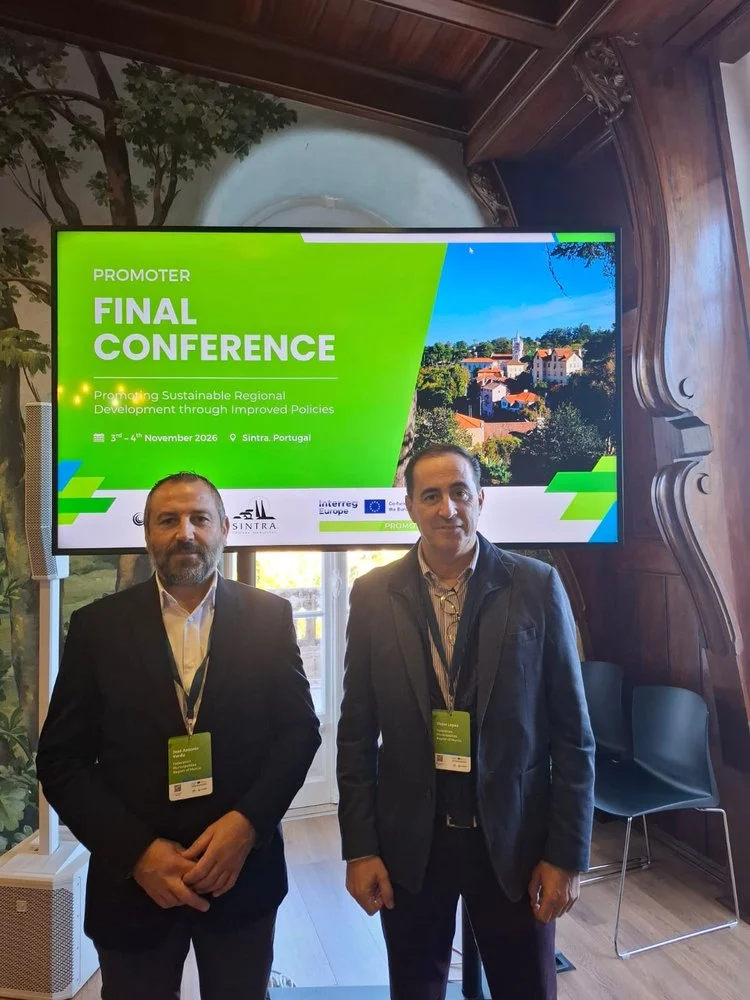
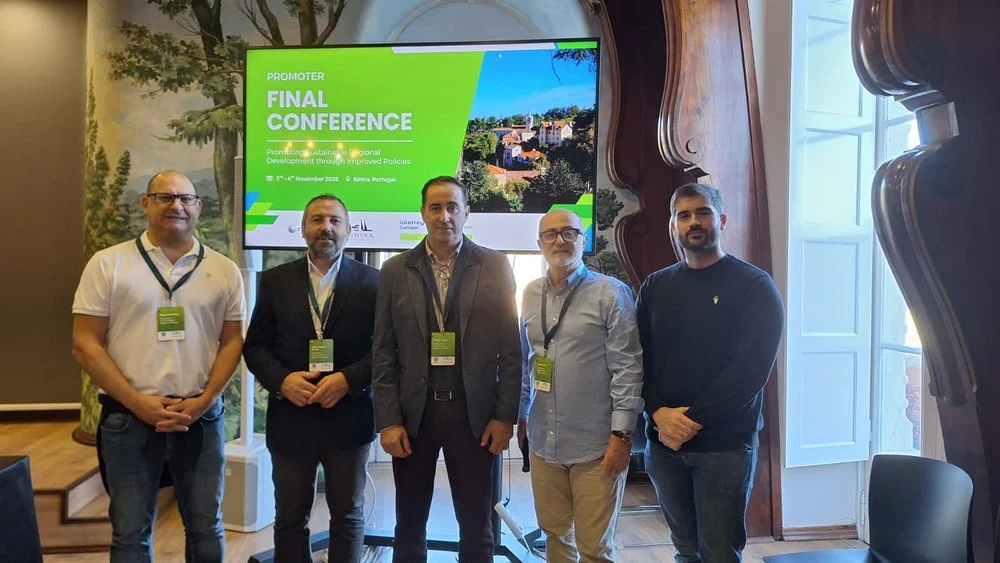
At the final conference of the European PROMOTER project, held in Portugal, the FMRM presented the progress made in improving sustainable mobility policies and strengthening cooperation between administrations.

The president of the Federation of Municipalities, Víctor Manuel López Abenza, and the general director of Mobility and Transport of the CARM, José Antonio Verdú, are participating in this international meeting that highlights the creation of a joint commission to move towards a more efficient, sustainable public transport adapted to the needs of the municipalities.

The Federation of Municipalities of the Region of Murcia (FMRM) is participating on November 3 and 4 in the final conference of the European project Interreg Europe PROMOTER , which is being held in Sintra (Portugal), where it is presenting one of the main results achieved during the development of the project: the incorporation of a stable model of cooperation between the regional government and the municipalities to improve the planning of mobility and public transport in the Region of Murcia.

The Murcian delegation includes the participation of the president of the FMRM, Víctor Manuel López Abenza , and the general director of Mobility and Transport of the Autonomous Community, José Antonio Verdú , who are accompanying the presentation of this experience to the European partners.

The meeting provides an opportunity to show how the exchange of European best practices has translated into a concrete improvement in regional transport policy, through the creation of new mechanisms for institutional coordination and municipal participation.

From European best practices to regional public policies

One of PROMOTER's main achievements in the Region of Murcia has been the signing, in May 2025, of a collaboration protocol between the Autonomous Community and the Federation of Municipalities, which has made it possible to establish the Interinstitutional Commission for Sustainable Mobility and Energy (CIMES).

This body, with equal representation from both institutions, serves as a coordination tool to incorporate municipal needs into the development of the Passenger Transport Master Plan for the Region of Murcia.

The initiative allows progress towards more integrated transport planning, strengthening collaboration between administrations and promoting strategic issues such as the electrification of public transport, multimodal mobility, the integration of services, citizen participation and the use of renewable energies.

The creation and implementation of CIMES thus represents one of the most relevant results of the project, by transforming the knowledge acquired in Europe into an institutional instrument with continuity beyond PROMOTER.

Víctor Manuel López Abenza, president of the Federation of Municipalities of the Region of Murcia, explains that, “ throughout PROMOTER, the FMRM has worked alongside the Directorate General of Mobility and Transport and other regional stakeholders in identifying and transferring European experiences that can contribute to improving mobility in the region's municipalities.” And, as the mayor of Ulea also affirms, “this work has allowed us to incorporate new perspectives into the development of the Transport Master Plan and open avenues for collaboration for future planning instruments, such as the Murcia Metropolitan Plan.”

A more sustainable mobility strategy that is closer to the citizens

Among the examples of practical application, the municipality of Lorquí stands out , which has worked on adapting a good practice from Ostend (Belgium), focused on creating safer school environments, reducing traffic speed and improving pedestrian spaces.

Murcia strengthens its position to face the new European mobility challenges

The Region of Murcia presents a result that goes beyond the transfer of knowledge: a governance model that connects the needs of the municipalities with regional strategic decisions and establishes a framework for collaboration with continuity until 2032.

Among the upcoming challenges are the development of metropolitan planning, the coordination of municipal sustainable mobility plans, the promotion of decarbonized public transport, and the identification of new European funding opportunities.

The FMRM, a bridge between Europe, the regional government and the municipalities

As a partner in the PROMOTER project, the Federation of Municipalities has played a role as an intermediary between European institutions, the regional government and the 45 municipalities of the Region of Murcia.

Their participation has made it possible to translate the needs of the local area into European cooperation spaces and to promote the application of solutions adapted to the characteristics of the territory.

The FMRM is participating in a study visit of the European Interreg Europe TRITON project in the Danube Delta, Romania, to exchange best practices on marine conservation, sustainable development and institutional cooperation

The experience will allow new perspectives and solutions to be brought to the coastal municipalities of the Region of Murcia, reinforcing their role in the protection of biodiversity and the sustainable management of the coastline.

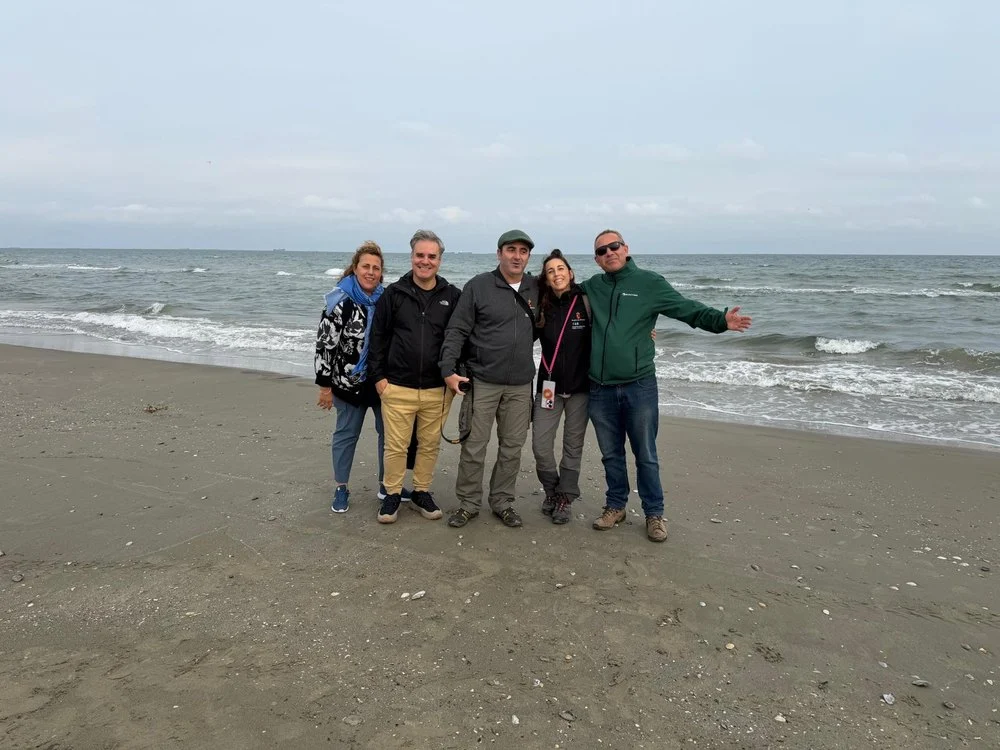
The Federation of Municipalities of the Region of Murcia (FMRM) has participated, as a collaborating entity ( stakeholder ), in the study visit of the European project Interreg Europe TRITON , held on October 20, 21 and 22 in the Danube Delta, in Tulcea (Romania).

During three days of technical and institutional exchange, representatives from different European countries analyzed experiences and best practices to improve the management of marine protected areas, conserve the most vulnerable ecosystems and reconcile environmental protection with economic and social activities linked to the coast.

The municipalities of Murcia, protagonists of coastal sustainability

The participation of the FMRM has made it possible to incorporate the perspective of the municipalities of the Region of Murcia into this European cooperation space, highlighting the fundamental role of local administrations in the protection of natural heritage and the sustainable development of coastal areas.

Among the main conclusions of the meeting, the need to strengthen coordination between local, regional and European administrations stands out, as well as the need to promote participatory management models and to take advantage of shared knowledge to address common challenges such as climate change, pressure on ecosystems and the conservation of marine biodiversity.

European cooperation for a more resilient coastline

The TRITON project, in which the Autonomous Community of the Region of Murcia participates, aims to improve public policies and management instruments for protected marine areas, especially those included in the Natura 2000 Network.

For the FMRM, these meetings represent a strategic opportunity to bring European innovation closer to the municipalities of Murcia , identify transferable solutions and strengthen institutional collaboration on environmental sustainability.

The Federation thus reaffirms its commitment to coastal management that combines the conservation of natural resources, socio-economic development and the resilience of coastal territories.

More information: https://www.interregeurope.eu/triton

The partners of the European project meet at the Federation of Municipalities of the Region of Murcia to assess progress and coordinate upcoming actions aimed at improving flood prevention in the municipalities of the Segura basin.

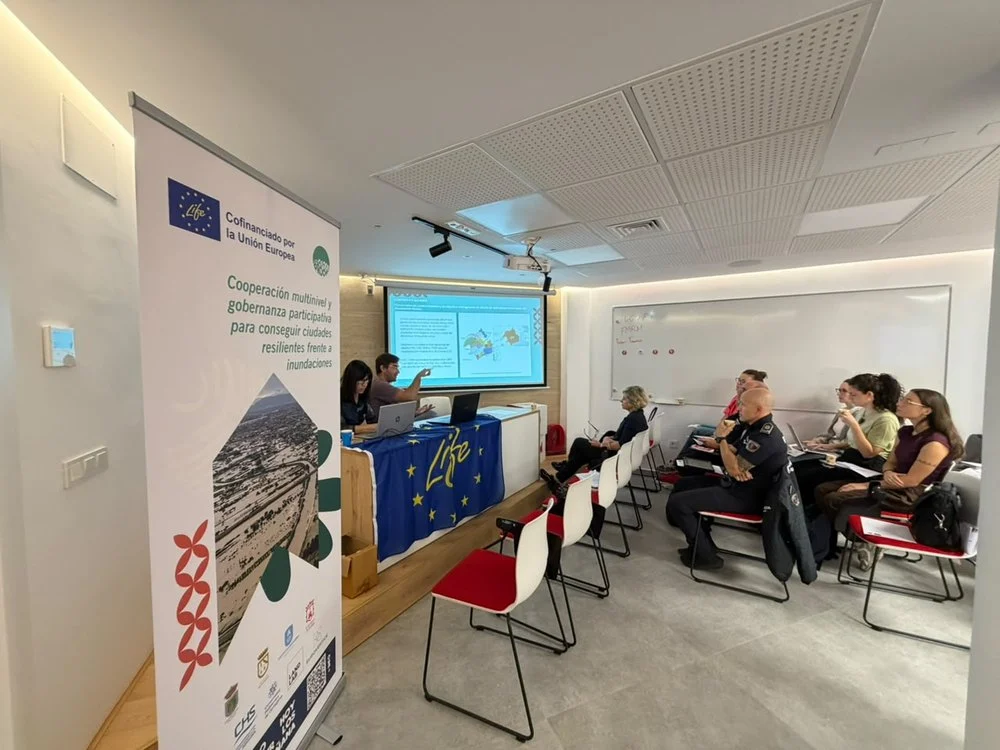
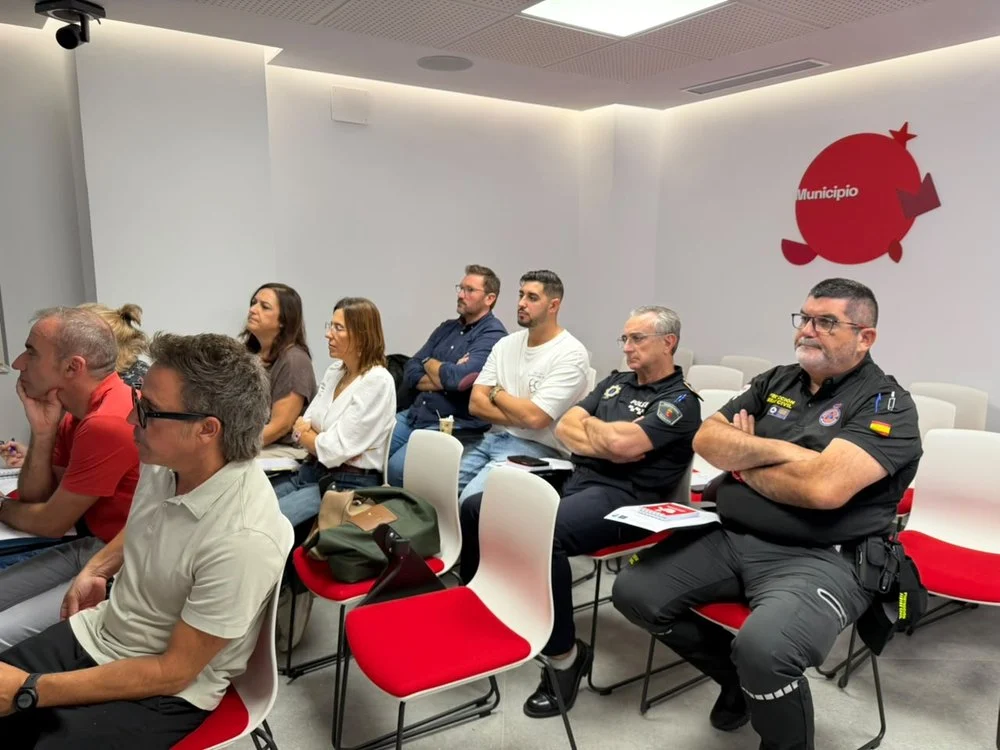
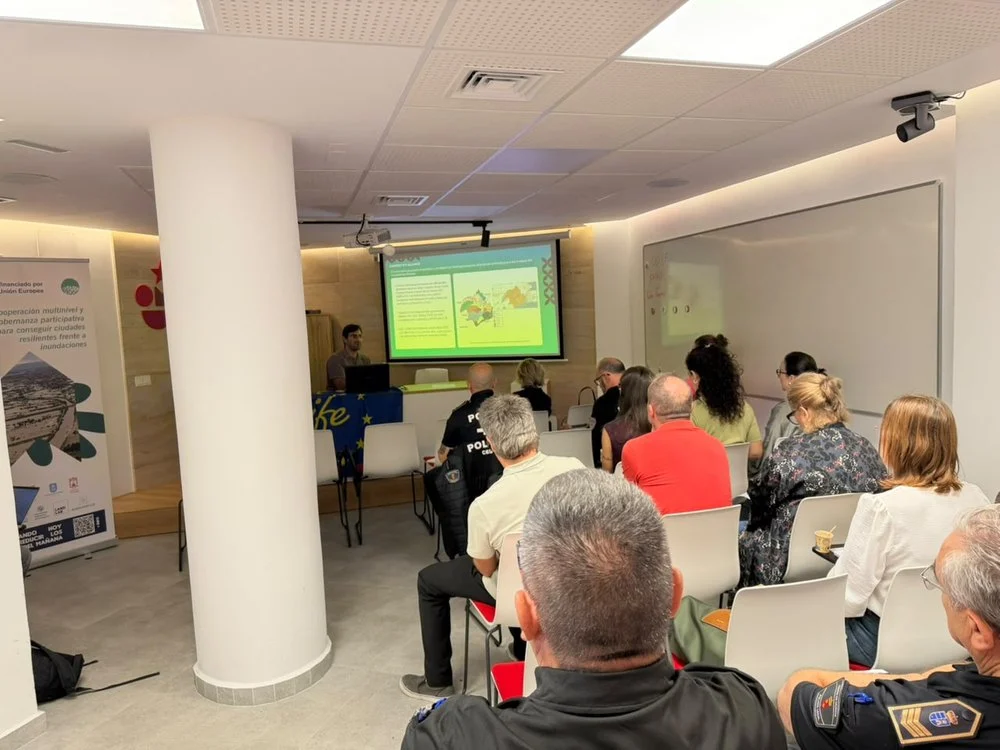
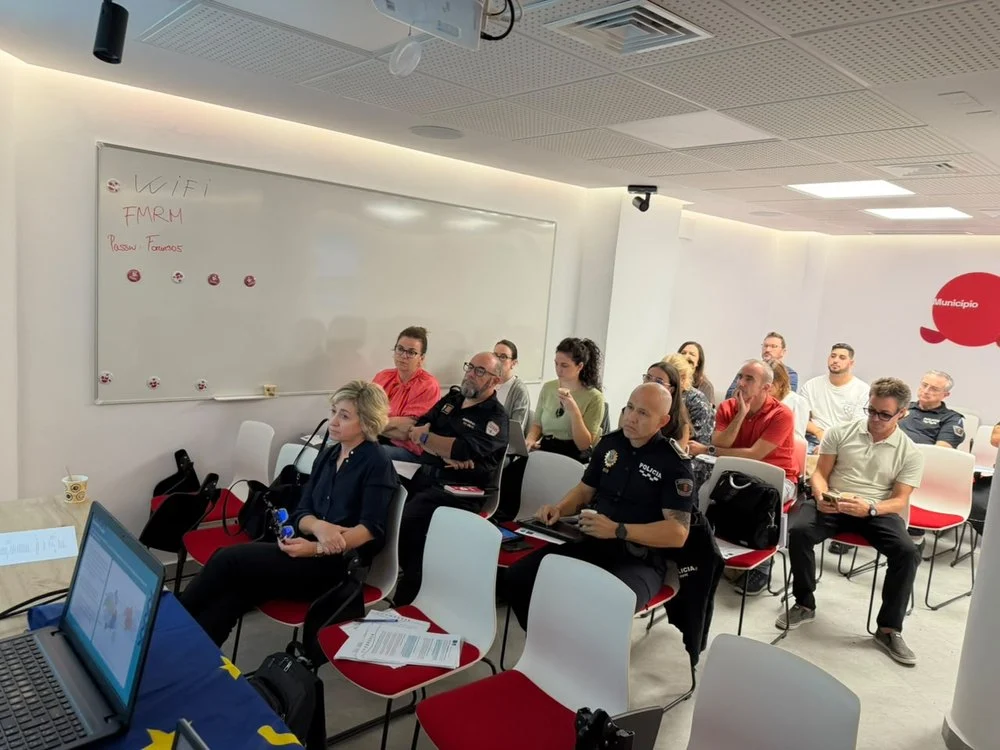
The Federation of Municipalities of the Region of Murcia (FMRM) hosted a new technical coordination meeting on October 29 for the European LIFE FLOODPROOF project , in which the partners analyzed the progress made and defined the next steps to improve the capacity of the municipalities to face the risk of flooding.

During the meeting, important advances were discussed in the development of risk maps, the identification of urban spaces where sustainable solutions can be applied, the development of early warning systems, and the involvement of citizens in prevention.

New maps to understand and prevent flood risk

One of the main advances corresponds to the work of the Polytechnic University of Cartagena (UPCT) , which is developing high-resolution hydrological and hydraulic models to identify the areas with the greatest risk of flooding.

These studies will provide more accurate information on the behavior of water during episodes of heavy rainfall and will help local councils make decisions to protect the population and plan future actions.

A first version of the maps is expected to be available before the end of 2026.

Towards more resilient municipalities: the concept of the "sponge city"

The project is also making progress in identifying spaces where nature-based solutions and sustainable urban drainage systems can be incorporated , capable of retaining, infiltrating or better managing rainwater.

Under the concept of the sponge city , the aim is to adapt public and private spaces to reduce water accumulation and promote safer, more sustainable urban environments that are better prepared for climate change.

The work, carried out with the participation of LANDLAB, UPCT and the local councils, will allow the identification of the most suitable areas for future interventions.

Early warning systems and greater citizen participation

Another key focus is the development of four early warning systems that will help improve municipal anticipation and response to episodes of heavy rainfall.

In parallel, the project has completed four local governance meetings and has started citizen oversight groups, with the first meeting held in Las Torres de Cotillas.

These spaces seek to involve residents, associations and local agents in identifying needs, preventing risk and preparing action measures.

Research is also underway to strengthen local weather observation and promote educational and citizen science activities to improve knowledge of the risks associated with rainfall.

Municipal cooperation for a better prepared Region of Murcia

The meeting also made progress in coordinating the pilot projects planned in Ceutí, Lorquí, Alguazas and Las Torres de Cotillas , as well as in preparing local action plans and upcoming training and awareness activities.

LIFE FLOODPROOF, funded by the European Union's LIFE program, brings together public administrations, universities and specialized entities with a common goal: to improve flood risk management through scientific knowledge, institutional cooperation and citizen participation.

The FMRM participates in the project by especially promoting communication, dissemination and awareness actions, bringing the results and tools developed closer to the municipalities and the citizens.

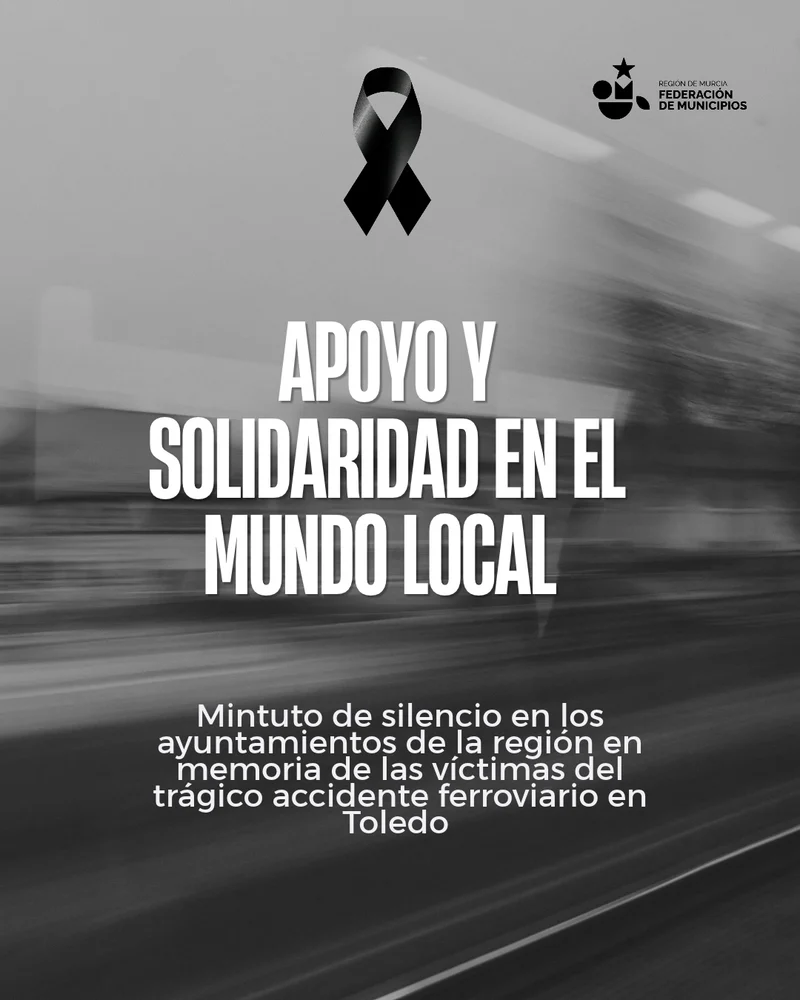
🖤 ​​The Federation of Municipalities of the Region of Murcia expresses its deepest sorrow for the tragic train accident that occurred in Toledo.

From FMRM we wish to convey our sincerest condolences to the families and loved ones of the victims, as well as our support and solidarity with all those affected.

The Federation has conveyed to the 45 municipalities of the Region of Murcia the call for a minute of silence promoted by the Spanish Federation of Municipalities and Provinces (FEMP), which the municipalities of our Region are joining as a sign of mourning, respect and solidarity.

From the municipal government of Murcia, we join in the grief of the victims and their families. 🖤

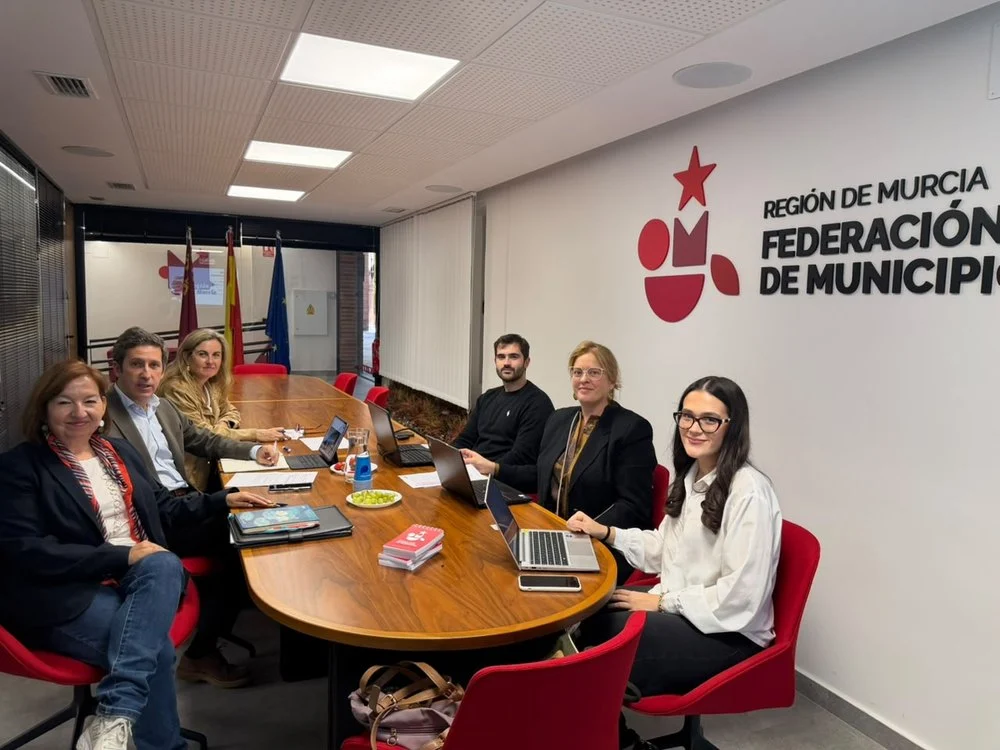
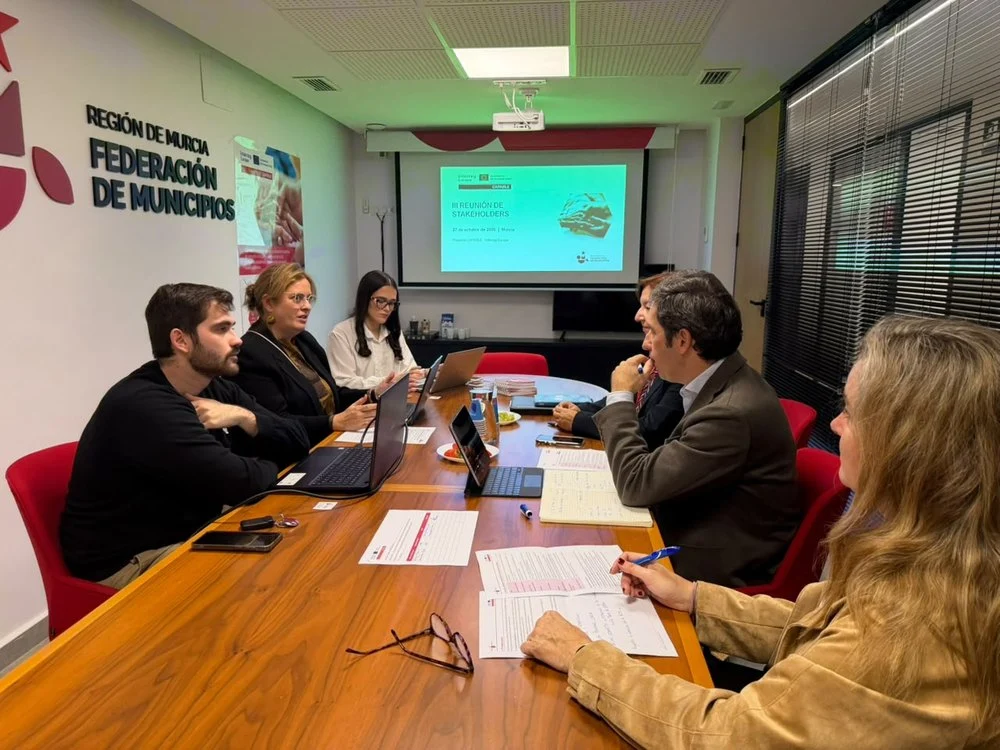
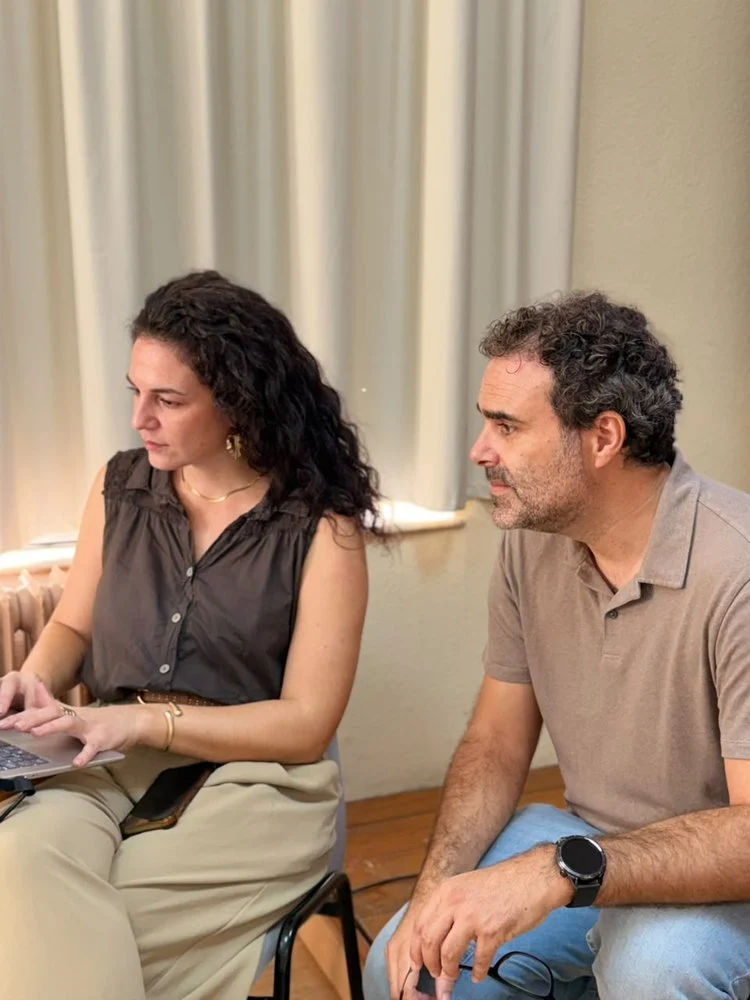
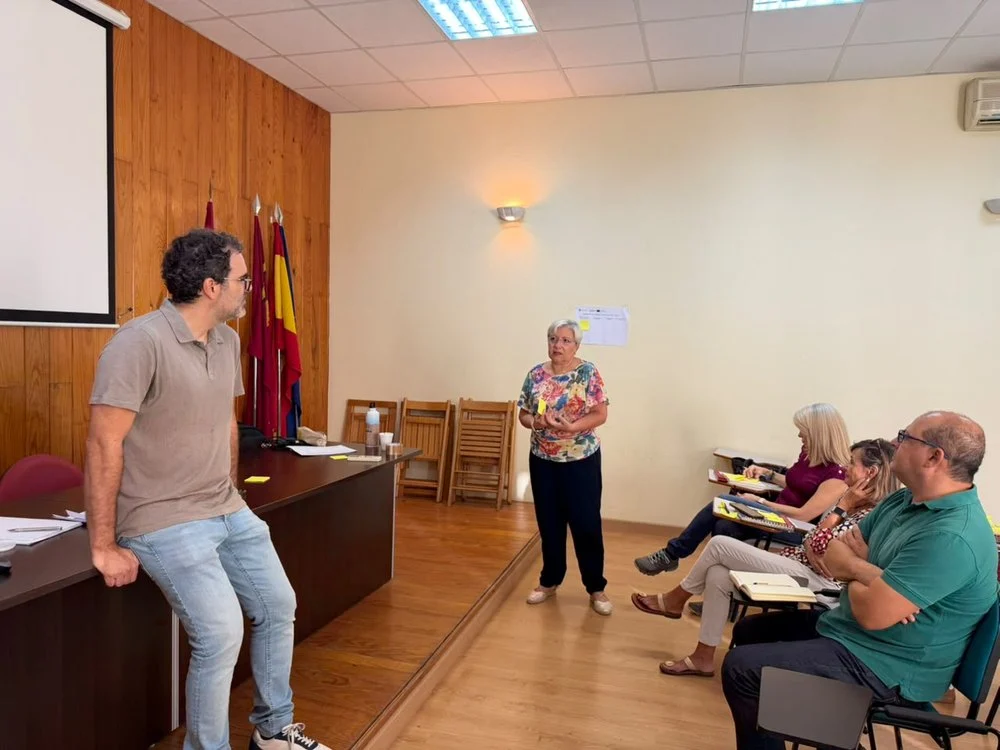
The third stakeholder meeting of the CAPABLE project, held in Murcia, addressed the possibilities of improving care for the elderly through European learning and the participation of the social economy in financing services linked to the Care Economy. The session focused on care costs, employment conditions, and adapting experiences from other regions to the needs of the Region of Murcia.

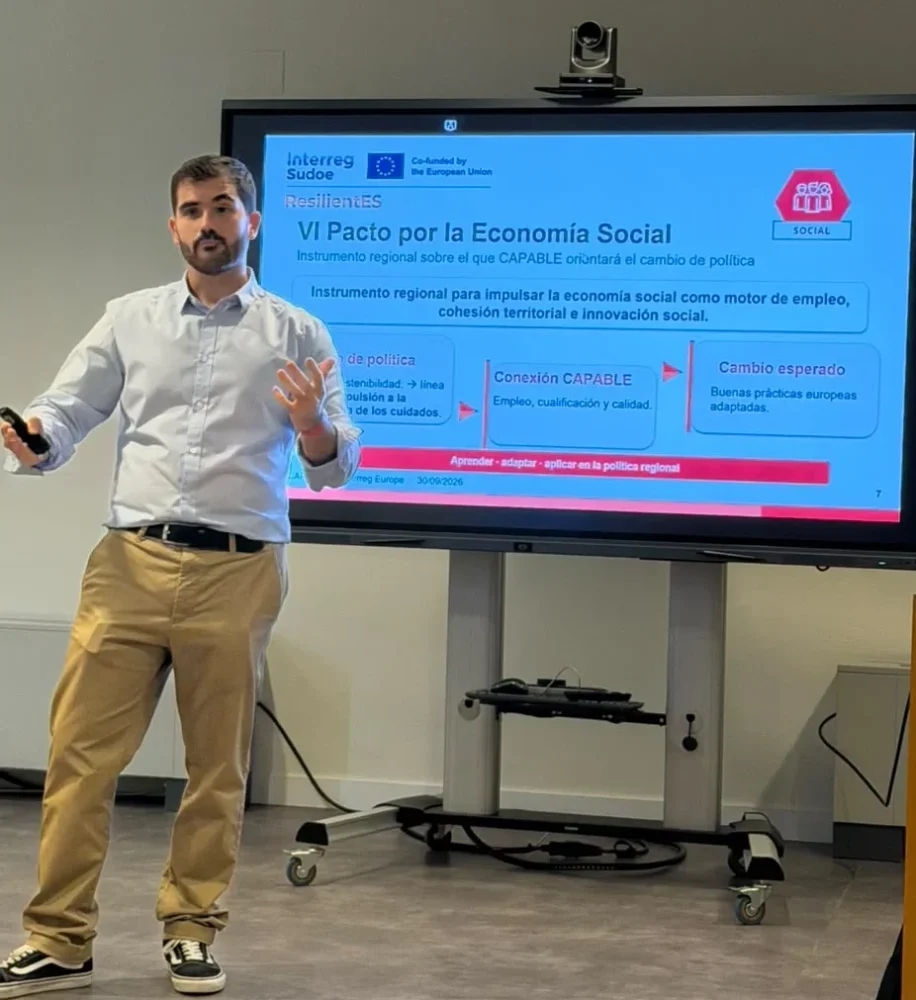
The meeting provided an opportunity to review the possibilities offered by the Sixth Pact for the Social Economy to advance these issues. The discussion focused on identifying viable proposals, understanding available resources, and assessing how to strengthen local services, especially home care, to enable older adults to remain in their homes or municipalities.

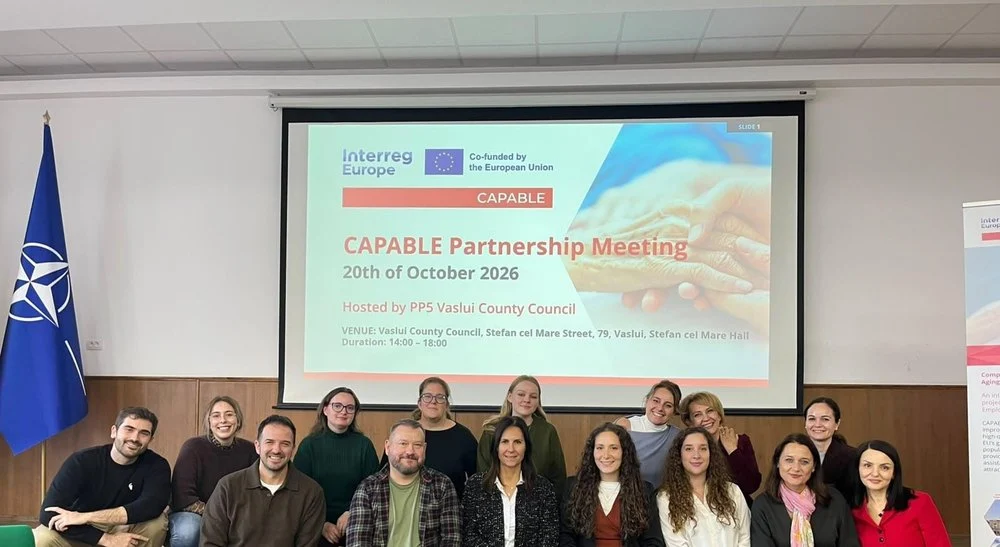
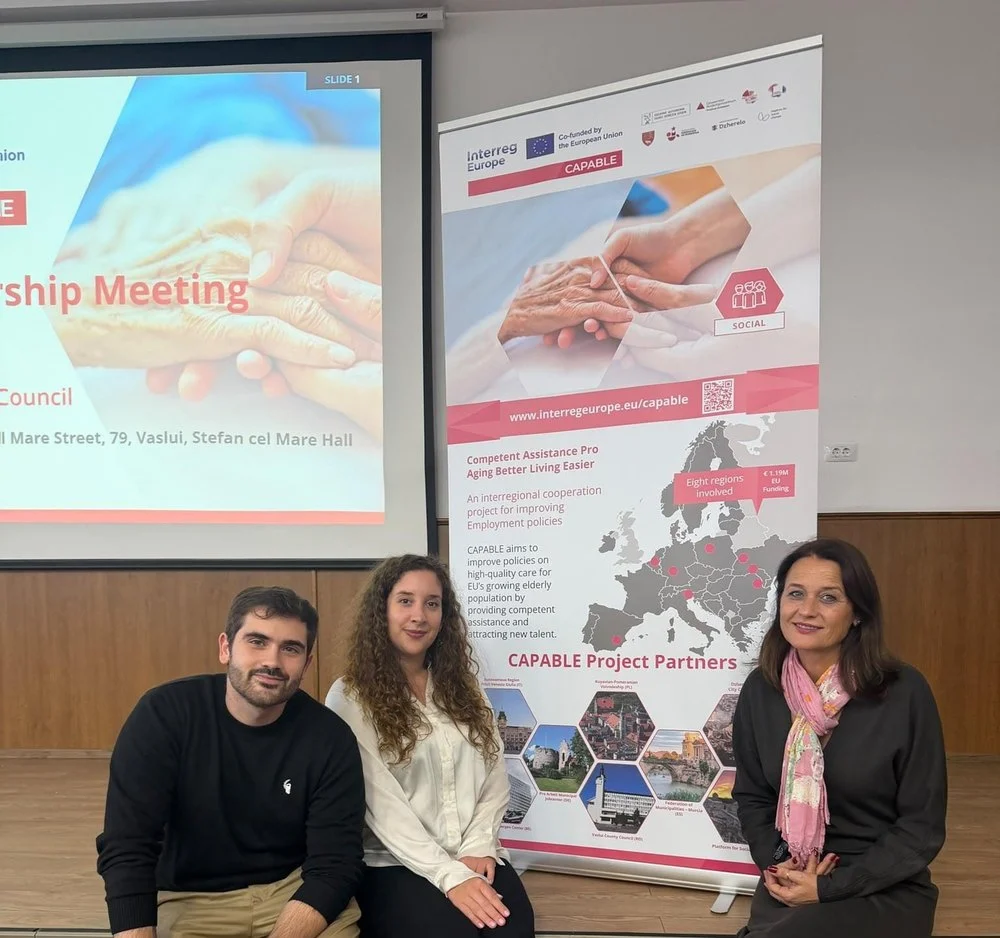
This meeting provided an opportunity to share lessons learned from the exchange of experiences and the study visit to Vaslui, Romania, which focused on financing care services for public administrations and families. Experiences from Italy, Germany, and Poland were used to analyze different ways of organizing services, supporting households, and coordinating care according to the specific characteristics of each region.

key findings

One of the main challenges identified has been the need to know the true costs of services before considering their adaptation. The importance of linking available funding to employment conditions, quality of care, and families' ability to cover the costs has been emphasized. The value of preventative care, allowing intervention before support needs increase, has also been highlighted.

The social economy has been proposed as a path worth exploring for organizing services and generating employment in the care sector. Among the possibilities discussed were professional cooperatives, whose viability would depend on resources, worker participation, and the specific circumstances of each municipality. Alternatives for cohabitation and accommodation were also discussed, along with regional initiatives such as Poncemar in Lorca, which could provide valuable examples for future exchanges.

The debate included an analysis of responsible public procurement and the aspects of the Sixth Pact that could support the adoption of best practices, such as training and technical assistance. The need to study these possibilities, taking into account the competencies of each administration and the resources available, was highlighted. Proposals should be linked to specific lessons learned from the project and identifiable improvements in public policies.

Training and skills accreditation were another area of ​​interest. The need to better publicize these opportunities to local councils and to analyze how other countries facilitate access to the sector for people facing educational or employment barriers was also identified.

The session was attended by Tono Pascual del Riquelme, Director General of Social Economy and Self-Employed Workers, and Carmen Pourtau Zapata, from the Autonomous Community of the Region of Murcia (CARM), Elena Díaz Martínez, from UCOMUR, Leopoldo Lizón Díaz from the Federation of Municipalities of the Region of Murcia along with Raquel Galarza Ruiz and Ainhoa ​​Agüera Navarro, from EuroVértice.

CAPABLE Project

CAPABLE, funded by the Interreg Europe program, promotes European cooperation to address the aging population and the shortage of care professionals. The project aims to improve public policies through the exchange of experiences, with a particular focus on training, qualifications, and formal employment in the sector.

Next steps

The proposed lines of work include identifying which European experiences could be adapted to Murcia, studying their feasibility, and documenting their contribution to improving the Sixth Pact for the Social Economy. It was also proposed to explore contact with the University of Murcia and with regional initiatives that could contribute knowledge and experience to the project.

The next CAPABLE meeting in Murcia is scheduled for March 2-4, 2027. Preparations include defining the program, selecting best practices, and evaluating potential technical visits. The goal is to focus the exchange on the needs of the municipalities and on proposals that can be developed using available resources and expertise.

For more information about the CAPABLE project, visit www.interregeurope.eu/capable or follow us on social media with the hashtag #CAPABLE.

The FMRM and the Molina de Segura City Council exchange European best practices on dependency care, financing and new care models.

The Region of Murcia will host the next international meeting of the CAPABLE project, focused on innovation and new technologies, in March 2027.

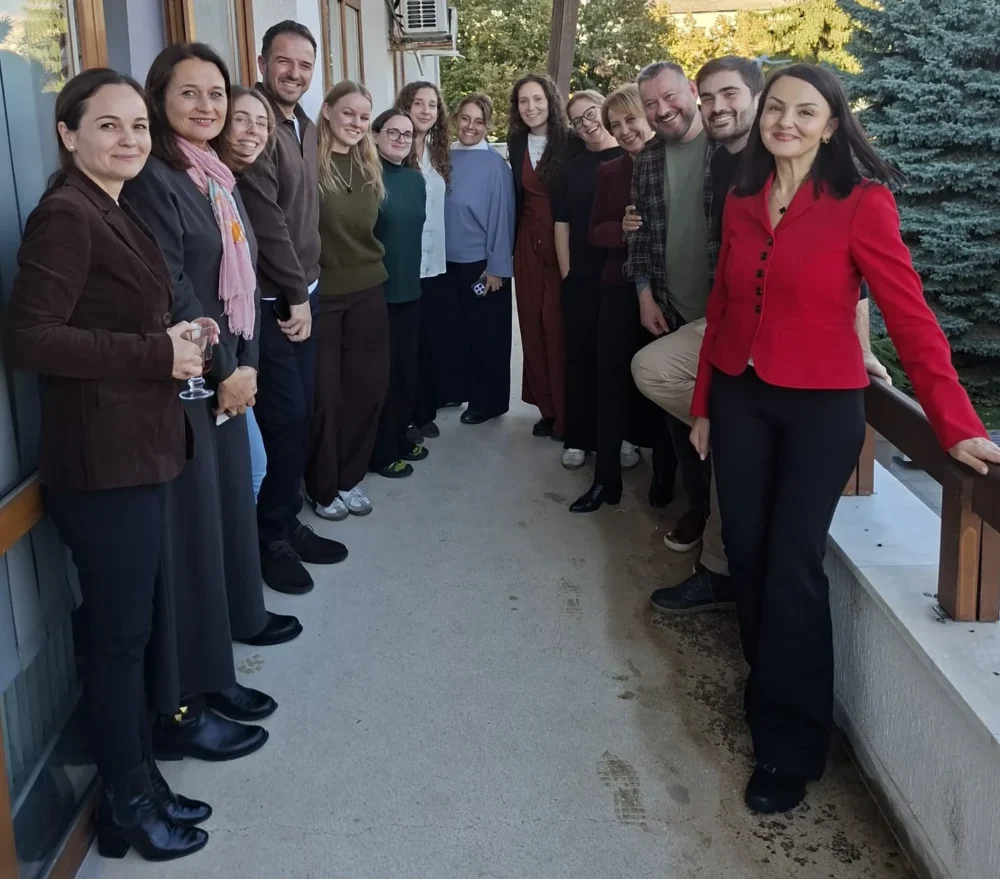
 The Federation of Municipalities of the Region of Murcia (FMRM) participated, from October 20 to 22, in the third international meeting of the European project CAPABLE, held in Vaslui (Romania), within the framework of the Interreg Europe program, co-financed by the European Union.

The Murcia delegation consisted of Leo Lizón, FMRM project technician, and Rocío Cózar, councilor for Social Welfare and Housing of the Molina de Segura City Council.

During the meeting, the main challenges of care systems in the face of an aging population were addressed, especially their economic sustainability, the availability of professionals and the need to guarantee dignified, accessible and quality care.

Exchange of European good practices

The sessions provided an opportunity to learn about experiences from different European countries, such as the Italian system of hiring and labor protection for professionals in the sector, the German model of care for dependent persons, and the transformation of a social center in Poland into an integrated space of services for the elderly.

Participants also visited day centers, residences, shared housing and other care resources in the Vaslui region, with different models of public, private and mixed management and funding.

The meeting allowed for a review of the project's progress and the closing of a stage focused on care models and the sustainability of care systems, giving way to a new phase dedicated to technological innovation.

Molina de Segura shares innovation experiences

During the meeting, Councillor Rocío Cózar emphasized that innovation in care does not only consist of incorporating new technologies, but also of making different use of existing tools.

In this regard, she shared experiences such as the Maximiliana telephone and Casal TV, initiatives aimed at facilitating communication, promoting participation and improving the autonomy of older people, especially those with reduced mobility or who live in isolated areas.

The Region of Murcia will host the next CAPABLE international meeting during the first week of March 2027 , which will address the use of artificial intelligence, new technologies and other innovative solutions to improve care for the elderly.

With its participation in this project, the FMRM reaffirms its commitment to European cooperation and the improvement of municipal public policies, promoting more sustainable, inclusive care systems adapted to the needs of citizens.

About CAPABLE

CAPABLE is a project of the Interreg Europe program, co-financed by the European Union, which promotes the exchange of good practices to improve public policies related to the care sector and address the social and demographic challenges of population aging.

The FMRM, leader of the Interreg Euro-MED HEATSAFE project, brings together the local governance group of Cartagena along with Eurovértice, to evaluate the municipal response to extreme heat and define new measures for the prevention and protection of citizens.

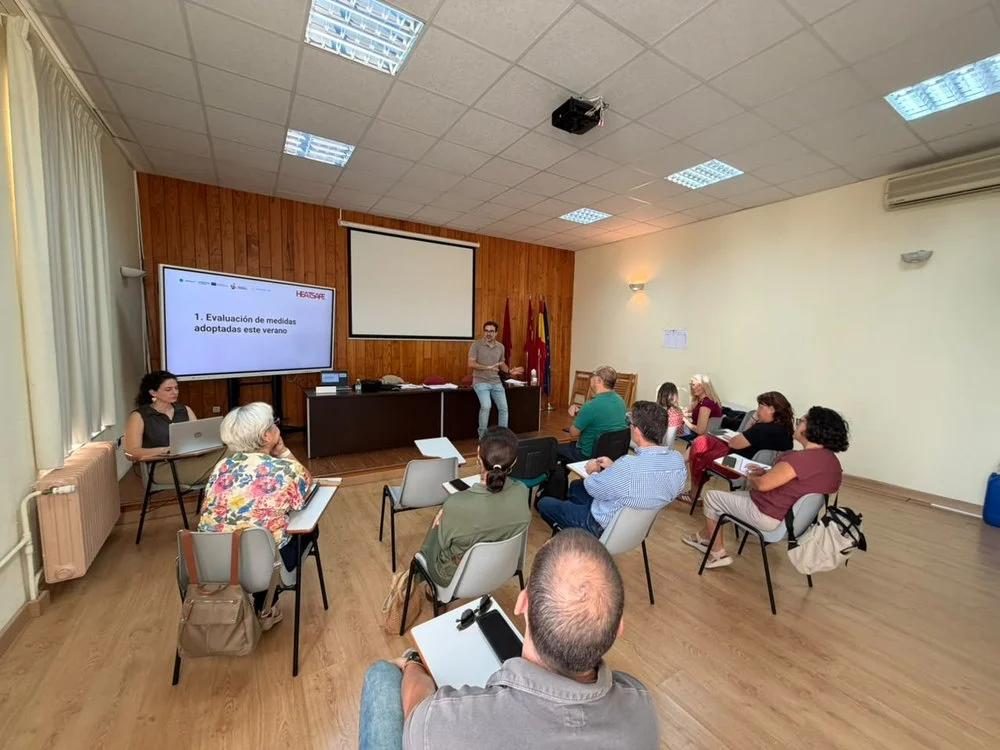
The Federation of Municipalities of the Region of Murcia (FMRM), as the leading entity of the European Interreg Euro-MED HEATSAFE project, Eurovértice and the Cartagena City Council, have held a new meeting of the local governance group in the La Milagrosa building of the port city, with the aim of advancing in the development of a municipal protocol for action against episodes of extreme heat and improving the coordination of the different services and entities involved.

The meeting, held on October 14, allowed for an analysis of the municipal response to the heat waves recorded during the summer, sharing the actions taken, the positive aspects and the difficulties detected, in order to incorporate these lessons into the planning of future interventions.

One of the main objectives of the day was to identify and prioritize early response measures to high-temperature situations , using an innovative multi-criteria tool developed within the framework of the HEATSAFE project. This tool allows for the evaluation of different actions and the selection of those that best meet the needs and characteristics of the municipality.

During the meeting, work was also done on the structure of the future municipal protocol, establishing the need to clearly define the actions that must be implemented, the services responsible for carrying them out, and the coordination mechanisms necessary in each phase, from prevention and pre-alert to emergency situations.

The participation of different local stakeholders is essential to building a coordinated and effective response to extreme heat , especially in protecting the most vulnerable people and groups.

Among the actions that HEATSAFE is planning in Cartagena are the creation of a network of climate shelters, the adaptation of public spaces, the installation of shade and irrigation systems, the monitoring of vulnerable people and the development of citizen awareness campaigns.

The results of this event will serve as the basis for drafting the municipal protocol, which will subsequently be reviewed and validated by the relevant departments. Work will also continue on preparing new communication and awareness-raising initiatives for the summer of 2027.

A European project led from the Region of Murcia

HEATSAFE, funded by the European Union's Interreg Euro-MED program and led by the Federation of Municipalities of the Region of Murcia, aims to improve the capacity of Mediterranean municipalities to prevent, manage and reduce the risks arising from the increase in extreme temperatures.

The project is being developed in six European pilot areas, including Cartagena, along with the metropolitan area of ​​Barcelona and territories in Greece, Bulgaria, Albania and Italy, through the design of local action plans, climate vulnerability assessment tools and demonstration projects.

Through HEATSAFE, the FMRM reinforces its role as a driving force behind European initiatives that enable the transfer of innovative solutions to municipal management, promoting the exchange of experiences and the development of tools that can be replicated in other municipalities in the Region of Murcia.

The FMRM presents this European initiative at the Social Economy and Rural Entrepreneurship Fair of the Region of Murcia, aimed at improving the qualifications of professionals in the care of elderly people and promoting new job opportunities in the municipalities.

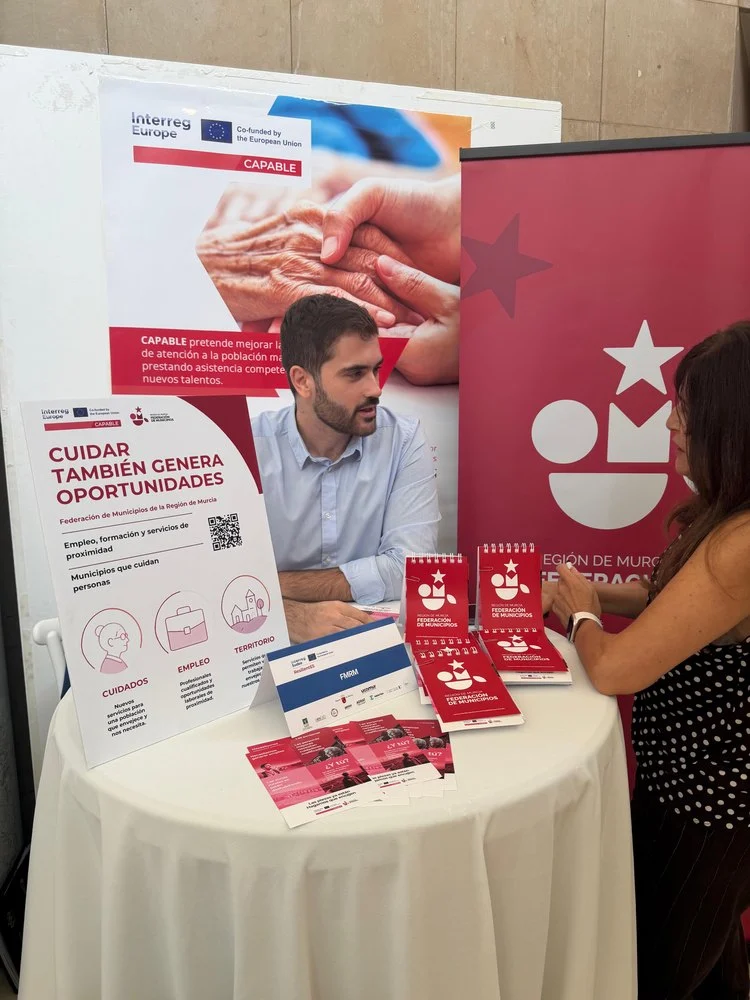
The Federation of Municipalities of the Region of Murcia (FMRM) participated in the first Social Economy and Rural Entrepreneurship Fair of the Region of Murcia, held on September 30th at the Víctor Villegas Auditorium and Congress Center, where it presented the European project Interreg Europe CAPABLE , an initiative that seeks to improve the conditions of the care and attention sector for the elderly through the exchange of experiences and good practices between European regions.

The fair, organized by the Union of Cooperatives of the Region of Murcia (UCOMUR) and the Regional Government's Directorate General for the Self-Employed and Social Economy, took place within the framework of the European Interreg Sudoe ResilientES project , in which the Federation of Municipalities participates as a stakeholder . The event brought together organizations, entities, and professionals linked to the social economy and rural entrepreneurship, with the aim of promoting initiatives capable of generating employment, revitalizing rural areas, and helping to curb depopulation.

CAPABLE: improving care and creating opportunities in rural municipalities

During the event, Leo Lizón, the technical manager of the CAPABLE project , presented the objectives and main lines of action of this European initiative, focused on improving public policies related to the care sector, promoting the professionalization of its workers and encouraging the exchange of good practices between the participating territories.

The intervention focused on the potential of the care economy as an engine of economic and social development in rural municipalities , especially those facing an aging population, population decline, and a shortage of job opportunities for young people.

In this context, improving services for the elderly represents a double opportunity: responding to a growing social need and promoting the creation of skilled, stable employment linked to the territory, contributing to maintaining the population and revitalizing local economies.

A participatory workshop to identify good practices

The Federation's participation included facilitating a workshop on the economics of care in rural areas , in which attendees were invited to share experiences, identify initiatives of interest and propose good practices that can contribute to improving working conditions and the quality of care services for the elderly.

The contributions gathered will allow the CAPABLE project to expand its repertoire of experiences, with the aim of identifying solutions that can inspire improvements in public policies and promote their transfer between European territories.

In addition, the FMRM had an exhibition space from which it presented CAPABLE and other initiatives in which it participates, facilitating the exchange of information and the establishment of contacts with entities and professionals in the field of social economy.

The event made it possible to identify experiences of interest and generate new connections that can contribute both to the development of CAPABLE and to the promotion of future collaborative initiatives.

With this participation, the Federation of Municipalities reinforces its commitment to finding innovative solutions to the challenges facing the municipalities of the Region of Murcia , focusing on European cooperation, improving public services, and leveraging the opportunities offered by the social economy to build more dynamic, inclusive, and sustainable rural territories.