


The third stakeholder meeting of the CAPABLE project, held in Murcia, addressed the possibilities of improving care for the elderly through European learning and the participation of the social economy in financing services linked to the Care Economy. The session focused on care costs, employment conditions, and adapting experiences from other regions to the needs of the Region of Murcia.
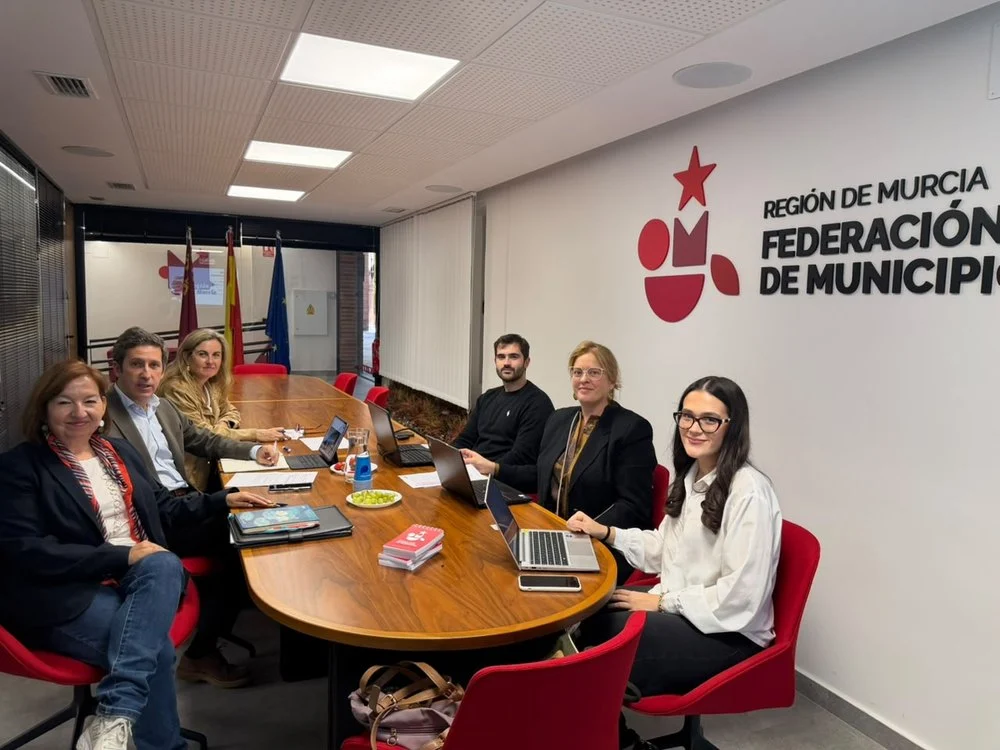
The meeting provided an opportunity to review the possibilities offered by the Sixth Pact for the Social Economy to advance these issues. The discussion focused on identifying viable proposals, understanding available resources, and assessing how to strengthen local services, especially home care, to enable older adults to remain in their homes or municipalities.
This meeting provided an opportunity to share lessons learned from the exchange of experiences and the study visit to Vaslui, Romania, which focused on financing care services for public administrations and families. Experiences from Italy, Germany, and Poland were used to analyze different ways of organizing services, supporting households, and coordinating care according to the specific characteristics of each region.
key findings
One of the main challenges identified has been the need to know the true costs of services before considering their adaptation. The importance of linking available funding to employment conditions, quality of care, and families' ability to cover the costs has been emphasized. The value of preventative care, allowing intervention before support needs increase, has also been highlighted.
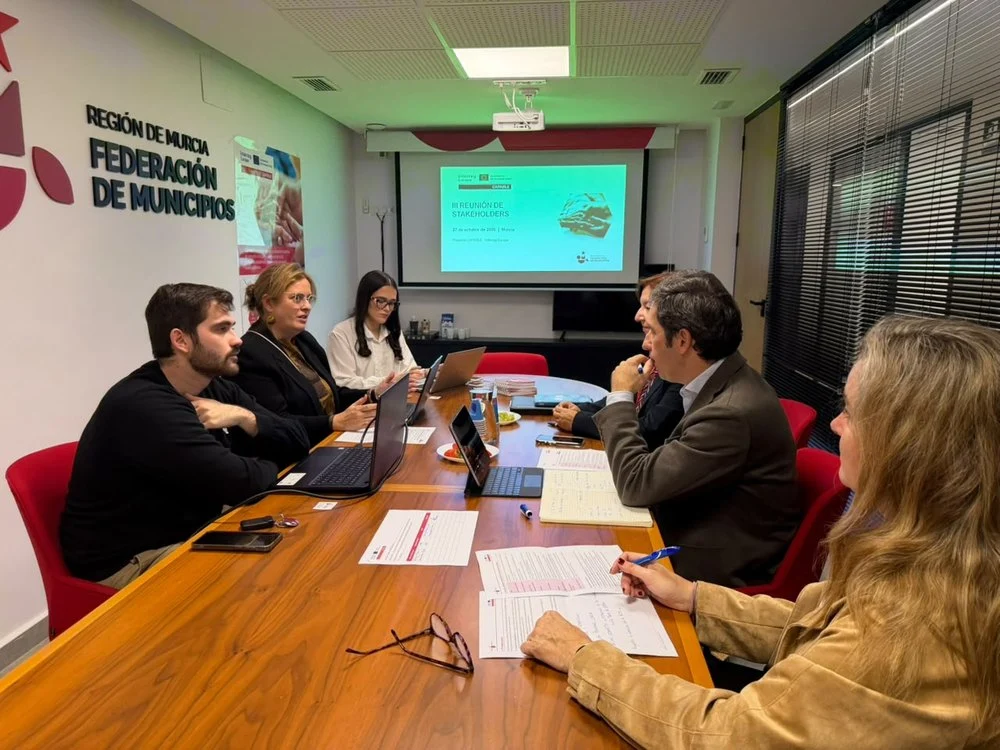
The social economy has been proposed as a path worth exploring for organizing services and generating employment in the care sector. Among the possibilities discussed were professional cooperatives, whose viability would depend on resources, worker participation, and the specific circumstances of each municipality. Alternatives for cohabitation and accommodation were also discussed, along with regional initiatives such as Poncemar in Lorca, which could provide valuable examples for future exchanges.
The debate included an analysis of responsible public procurement and the aspects of the Sixth Pact that could support the adoption of best practices, such as training and technical assistance. The need to study these possibilities, taking into account the competencies of each administration and the resources available, was highlighted. Proposals should be linked to specific lessons learned from the project and identifiable improvements in public policies.
Training and skills accreditation were another area of interest. The need to better publicize these opportunities to local councils and to analyze how other countries facilitate access to the sector for people facing educational or employment barriers was also identified.
The session was attended by Tono Pascual del Riquelme, Director General of Social Economy and Self-Employed Workers, and Carmen Pourtau Zapata, from the Autonomous Community of the Region of Murcia (CARM), Elena Díaz Martínez, from UCOMUR, Leopoldo Lizón Díaz from the Federation of Municipalities of the Region of Murcia along with Raquel Galarza Ruiz and Ainhoa Agüera Navarro, from EuroVértice.
CAPABLE Project
CAPABLE, funded by the Interreg Europe program, promotes European cooperation to address the aging population and the shortage of care professionals. The project aims to improve public policies through the exchange of experiences, with a particular focus on training, qualifications, and formal employment in the sector.
Next steps
The proposed lines of work include identifying which European experiences could be adapted to Murcia, studying their feasibility, and documenting their contribution to improving the Sixth Pact for the Social Economy. It was also proposed to explore contact with the University of Murcia and with regional initiatives that could contribute knowledge and experience to the project.
The next CAPABLE meeting in Murcia is scheduled for March 2-4, 2027. Preparations include defining the program, selecting best practices, and evaluating potential technical visits. The goal is to focus the exchange on the needs of the municipalities and on proposals that can be developed using available resources and expertise.
For more information about the CAPABLE project, visit www.interregeurope.eu/capable or follow us on social media with the hashtag #CAPABLE.
